

The longest river that begins and ends within the state of Florida is the St. Johns. Originating at Blue Cypress Lake, the St. Johns River meanders over 300 miles north to its terminus in the Atlantic Ocean near Jacksonville.1,2 At its southern end, the river is shallow and marsh-like, scarcely navigable by boat. As it works its way north into Brevard County, the river deepens, snaking, curving and intertwining with itself while at other times widening
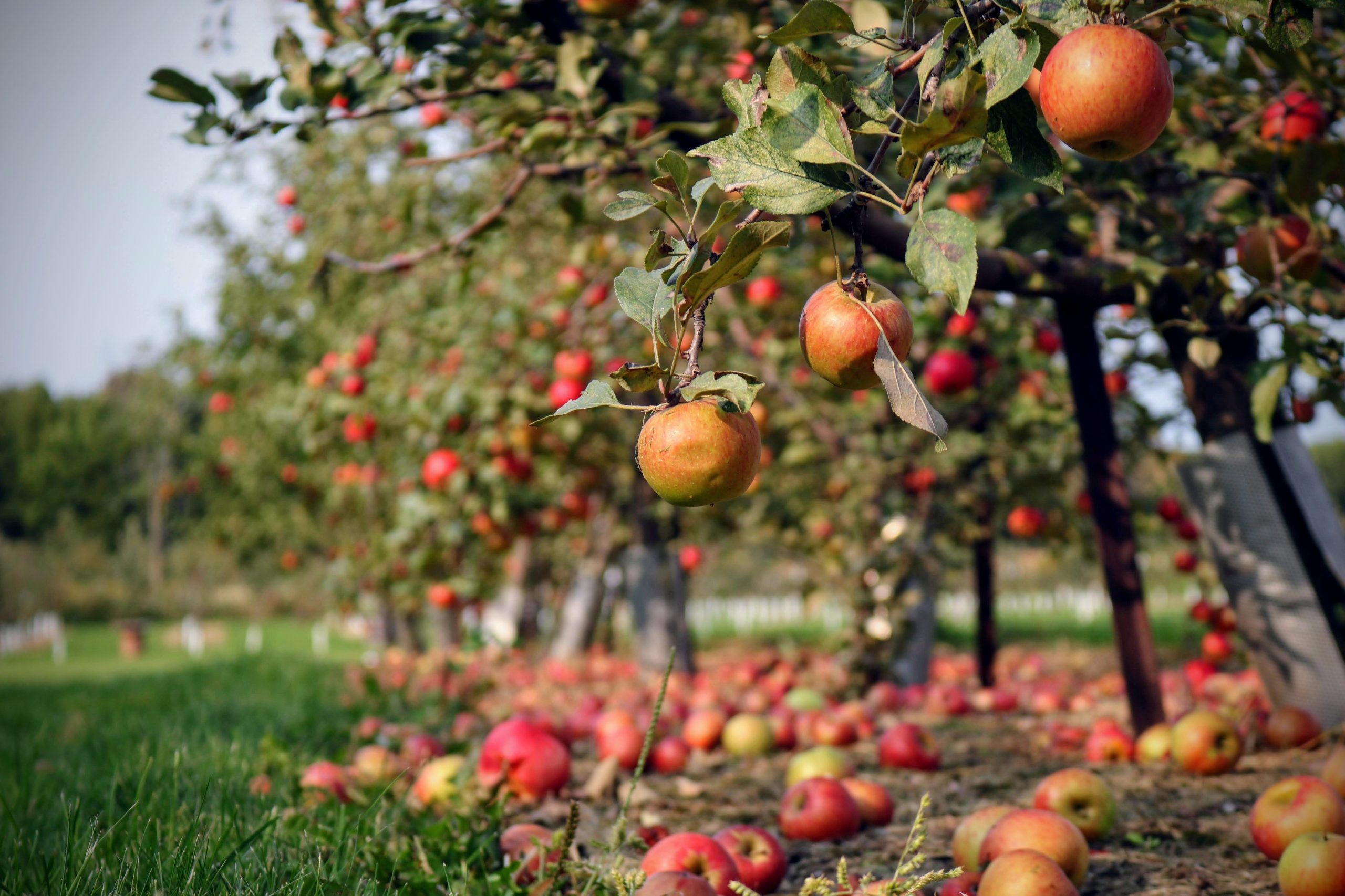
Spanning from the Keys’ sandy beaches to the mossy panhandle, Florida provides a unique environment for a variety of fruit trees to flourish. Planting fruit trees can be a rewarding personal or community effort. Not only do fruit trees provide a delicious and nutrient dense crop, but growing them locally fosters a deeper appreciation for the natural world. Fruit trees also benefit local environments in numerous ways, but before diving into that, let’s take a
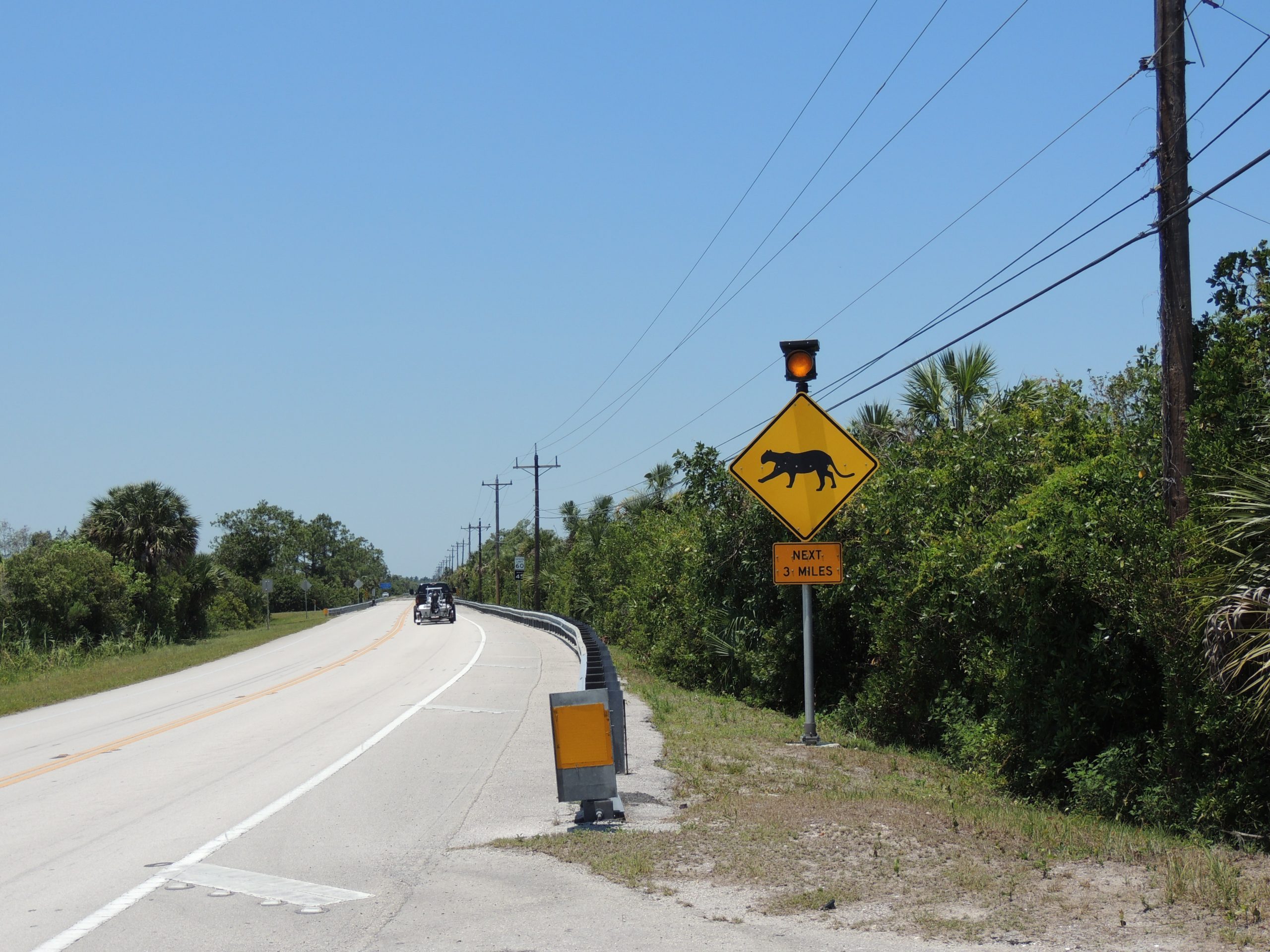
Habitat loss and fragmentation are some of the primary causes of declining plant and animal populations. The Florida Wildlife Corridor protects almost 700 different plant and animal species by conserving and connecting habitats all over the state. This includes the mighty Florida Panther, The West Indian Manatee, and the Gopher Tortoise. This blog dives into the importance of the corridor and how it supports conservation efforts. Image: Unsplash by Dawn Mcdonald The Florida Wildlife Corridor
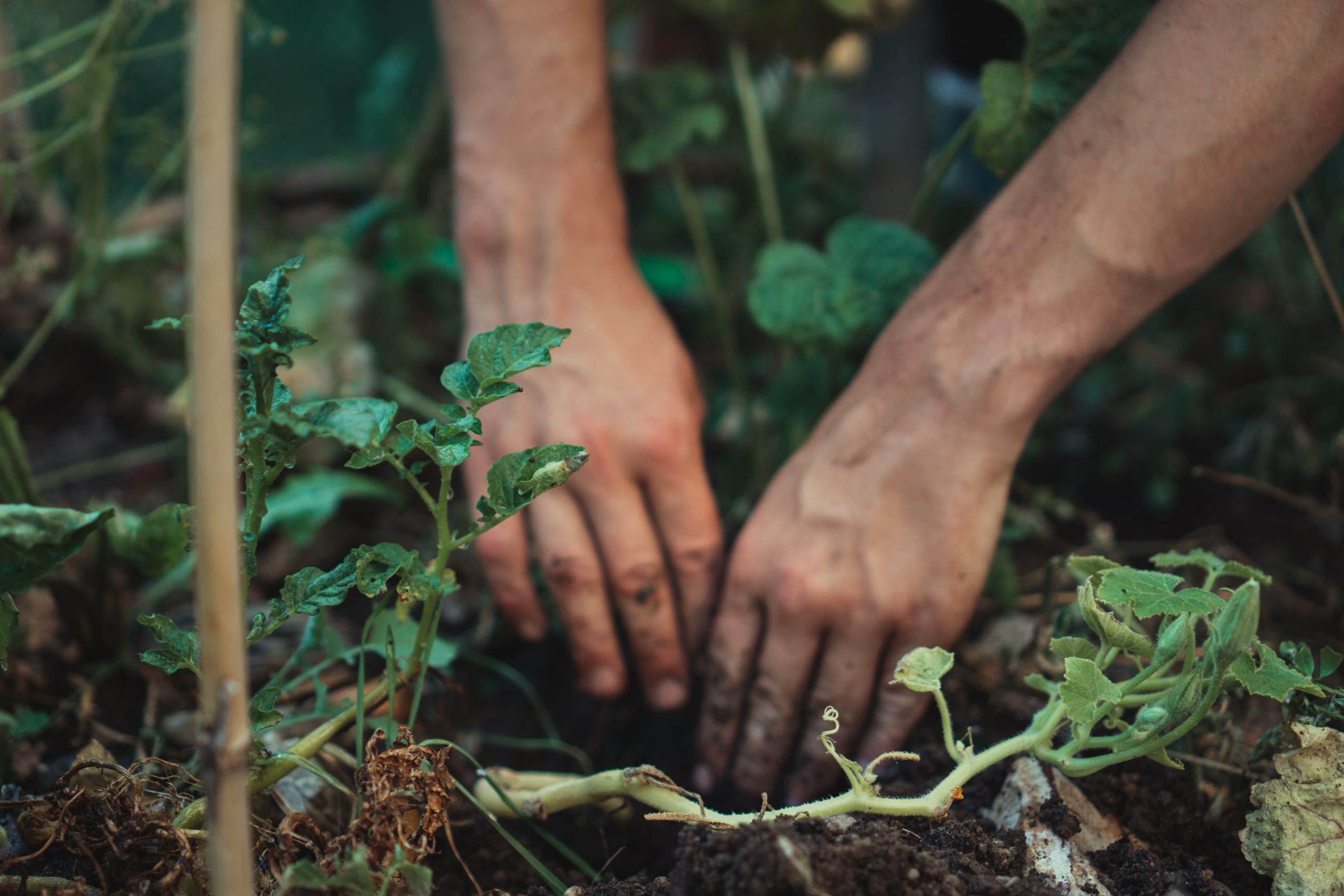
According to Almanac, companion gardening is growing plants together for the benefit for one or both plants2. For example, those practicing this technique might plant flowers among crops to attract pollinators, benefiting the crops2. Companion Planting Made Simple What are the benefits of companion planting? When grown in close proximity, there are a number of different interactions plants can have with one another. While some plants may support the growth of its neighbors, other
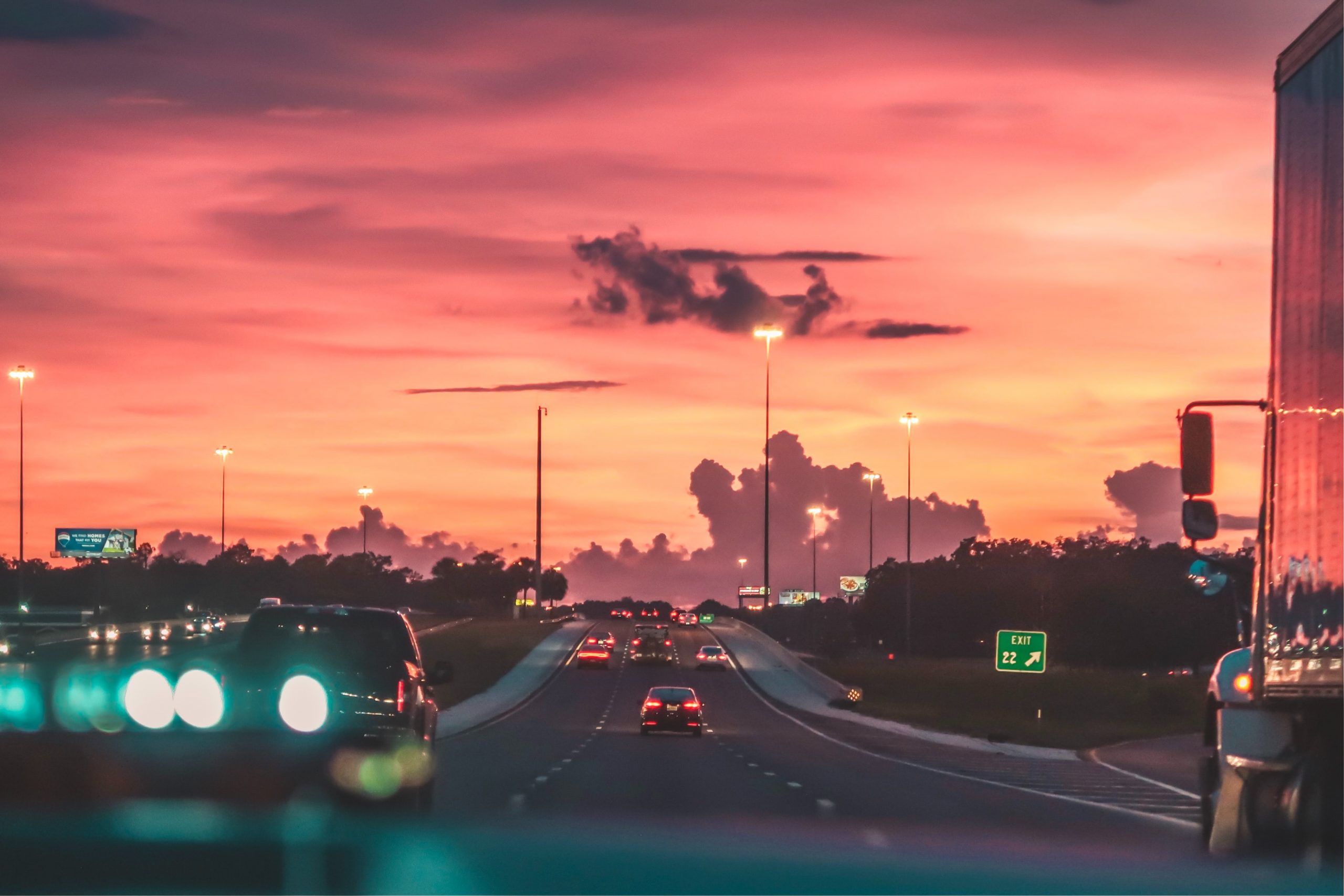
Are you experiencing climate anxiety, too? I don’t know about everyone else, but climate anxiety and even climate grief have been hitting me hard recently. We’ve seen some intense natural disasters this year, like monumental flooding in Pakistan and the devastating Hurricane Ian. In 2021, we saw disasters like the Colorado Marshall Fire, during which dried-up vegetation, high winds, and increasingly warmer seasons created the perfect conditions for a wildfire to tear through unprepared
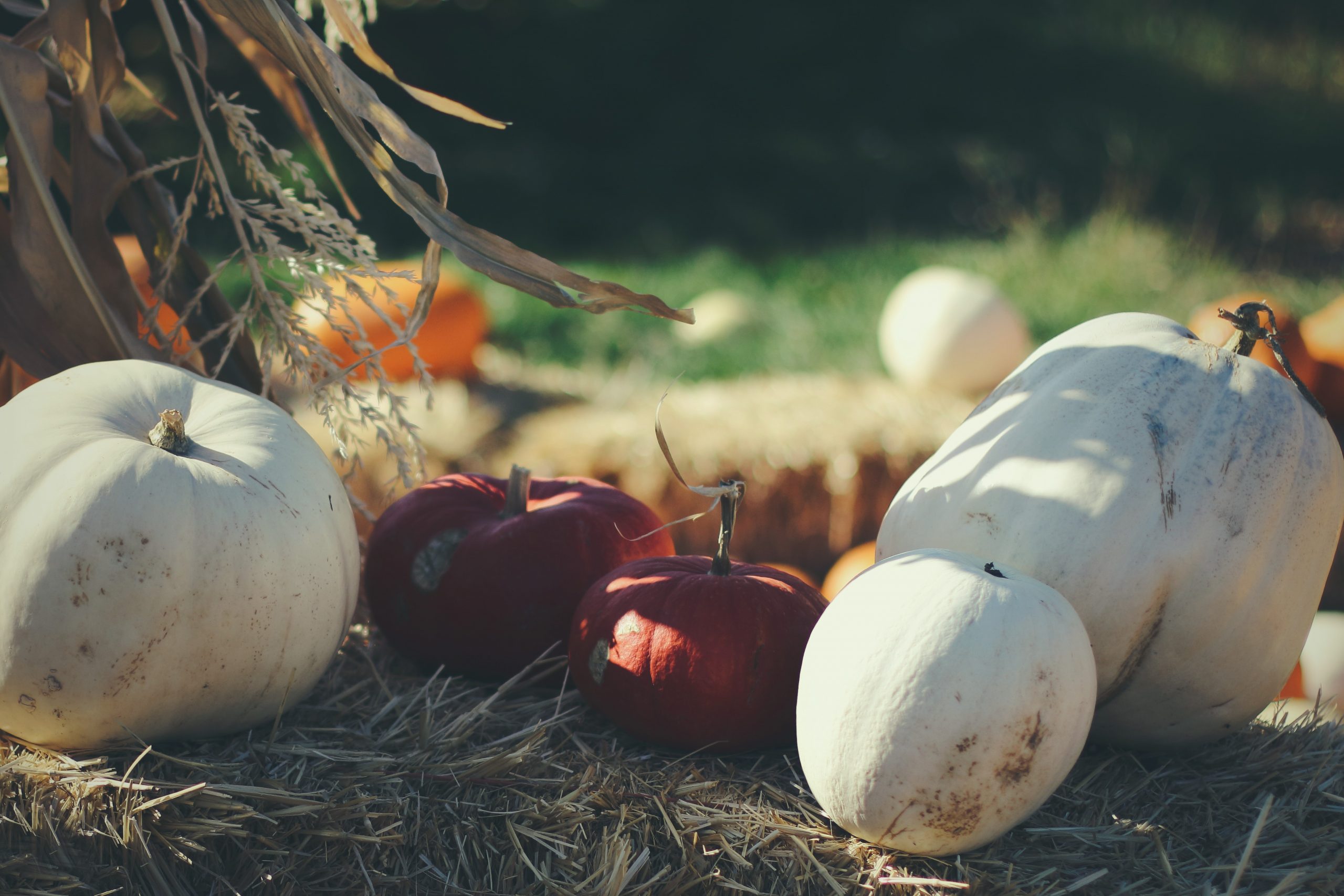
ORLANDO, Fla. (November 5, 2022) – IDEAS For Us (IDEAS) began in 2008 as a group of innovative UCF students who wanted to advance sustainability on university campuses and communities around the world. Since then, it has grown into a global non-profit focused on real action, not just advocacy, to solve environmental challenges. IDEAS For Us has been working within the Parramore, West Orlando community for years now, through its Fleet Farming urban agriculture program.