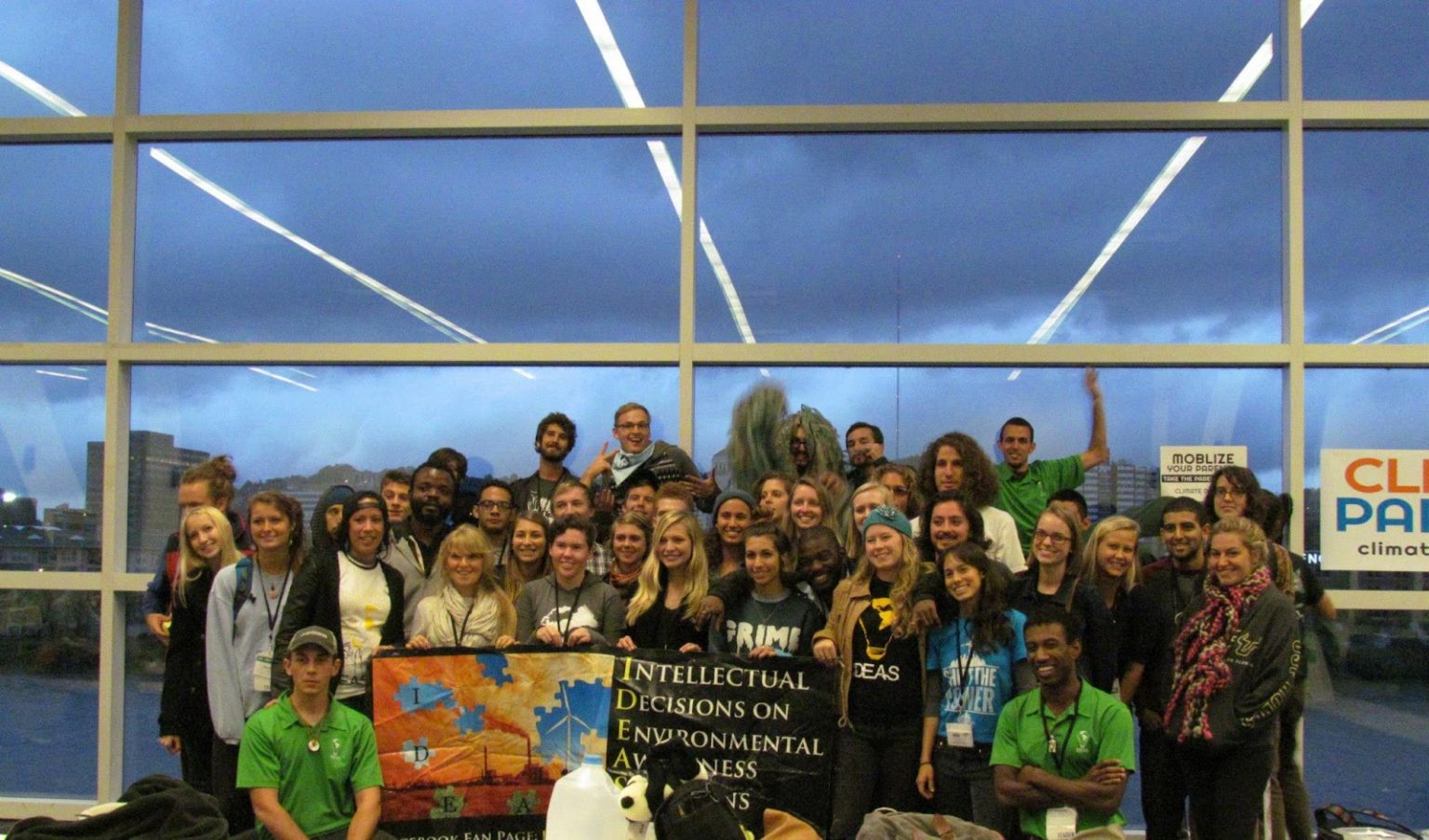
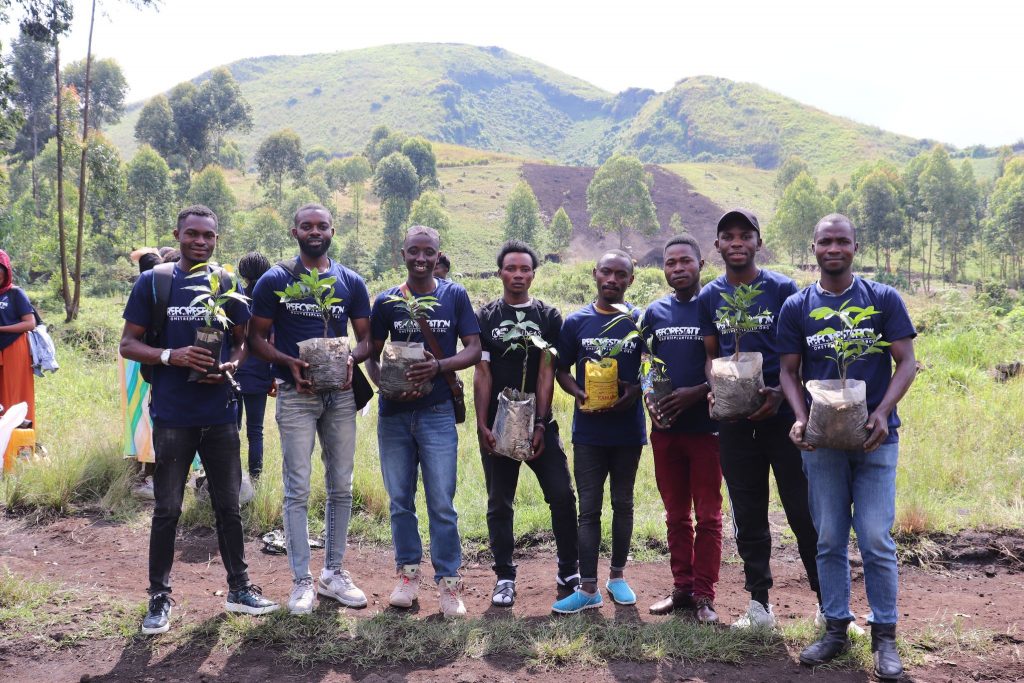
IDEAS For Us develops community-centered energy solutions that expand access to renewable energy, improve efficiency, and strengthen climate resilience. Our work connects environmental action with education, workforce development, and long-term community sustainability. Through partnerships with municipalities, nonprofits, schools, and businesses, we help communities transition toward cleaner and more resilient systems that reduce environmental impact while improving quality of life.
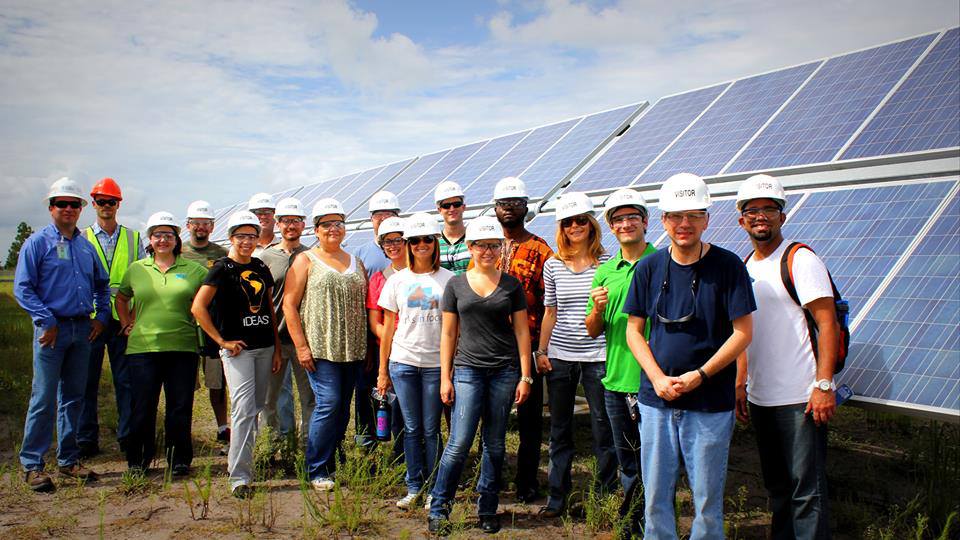
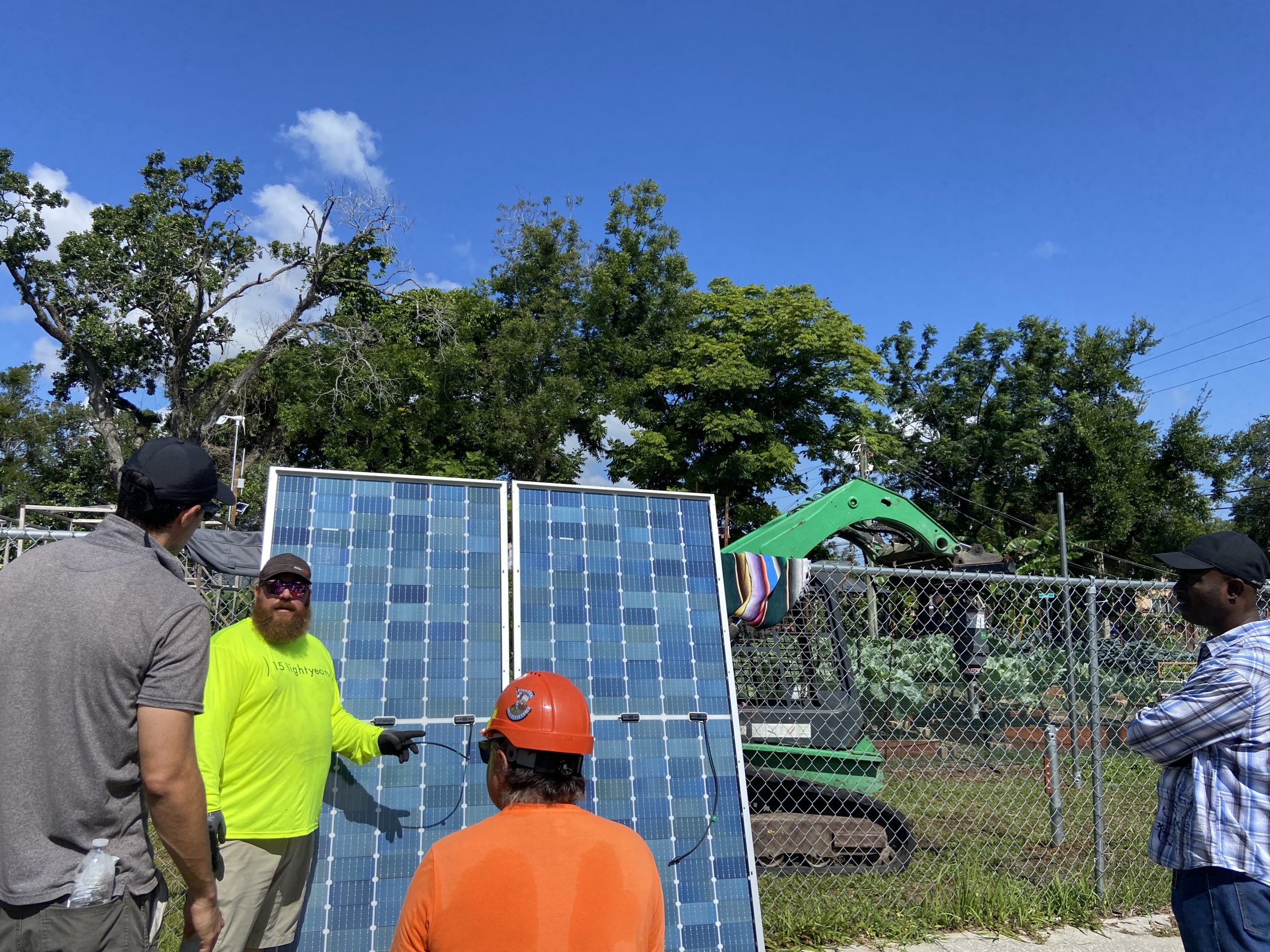
Our energy initiatives include solar education campaigns, EV outreach programs, sustainability roadmaps, clean energy workforce training, green jobs certification programs, community solar initiatives, and renewable energy access projects both locally and internationally. IDEAS has also supported solar panel distribution efforts, hosted energy-focused educational workshops, and engaged communities through climate action events and sustainability planning initiatives.
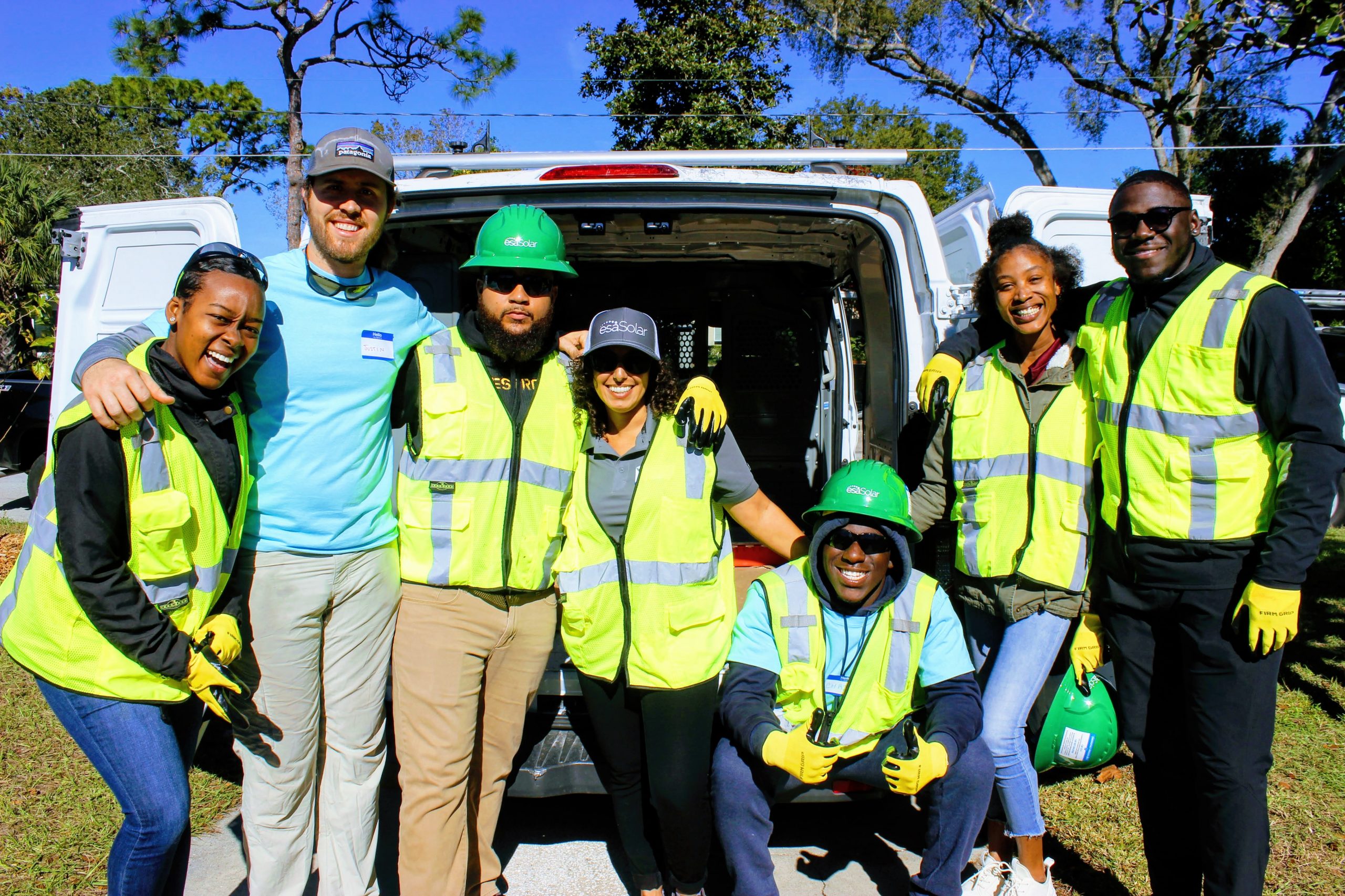
Healthy communities depend on healthy water systems. IDEAS works to restore shorelines, improve water quality, reduce erosion, and protect aquatic ecosystems through hands-on restoration projects and environmental stewardship initiatives. Our programs focus on strengthening the connection between communities and the waterways they depend on while implementing practical, nature-based solutions that improve ecosystem health and resilience.
Our water initiatives include shoreline restoration, floating wetland installations, lake and wetland restoration, stormwater mitigation projects, aquatic plant installations, cleanups, erosion control projects, water quality education, and international clean water access programs. IDEAS has led projects ranging from floating Beemat nutrient removal systems in Florida to clean water and sanitation initiatives in Uganda and Somalia that expanded access to safe water resources for local communities and schools.
Examples of Our Projects
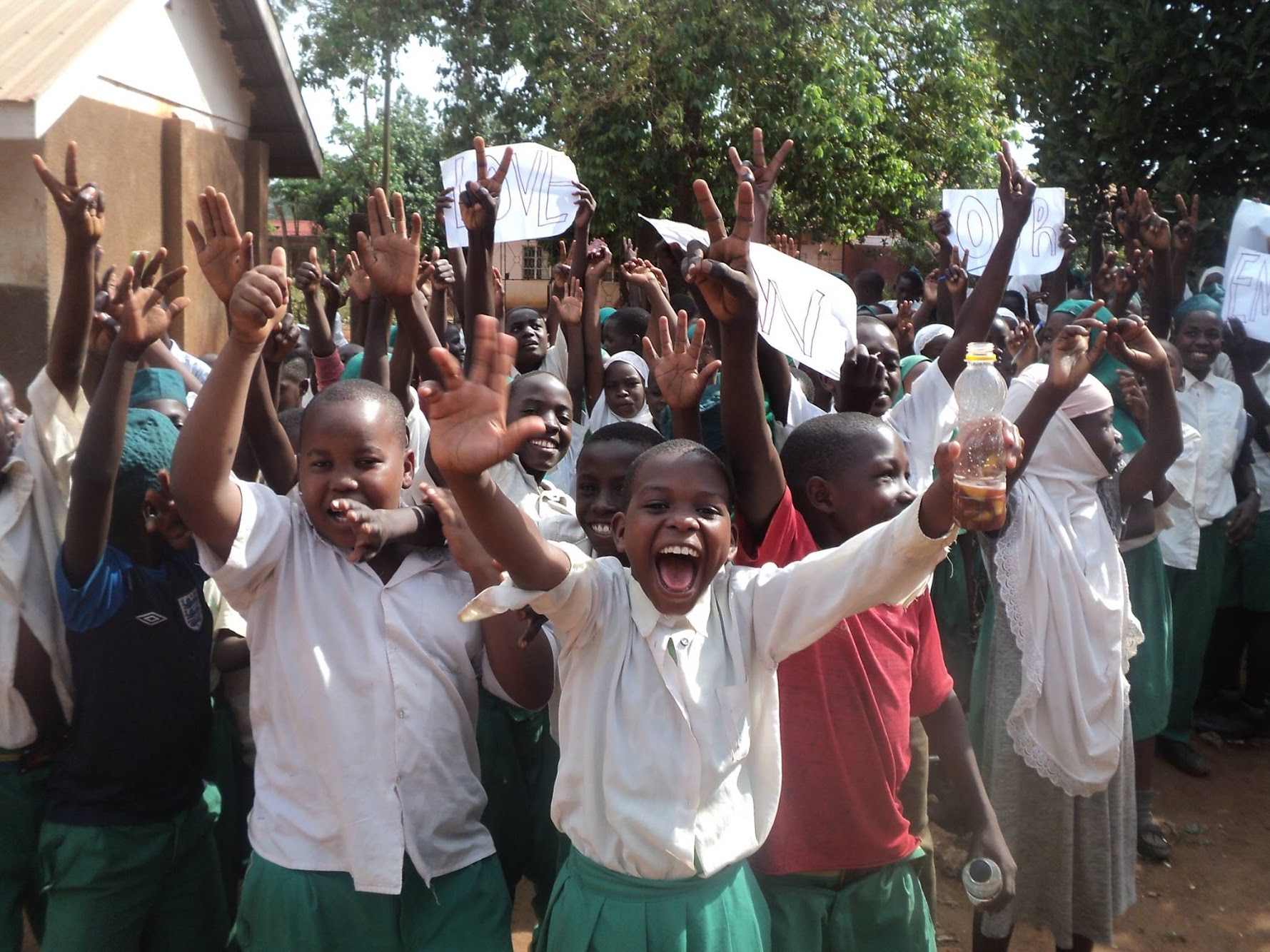
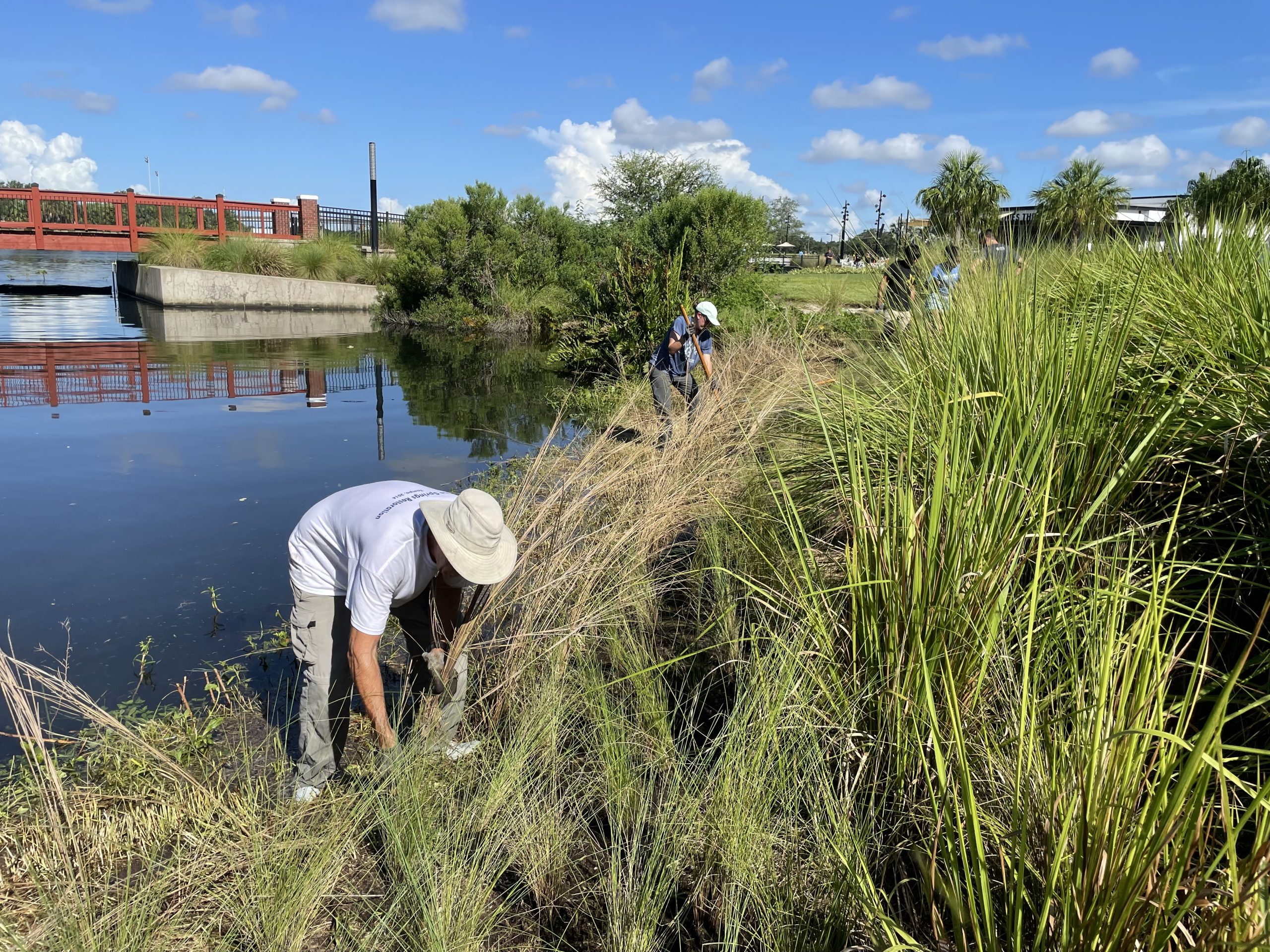
One of our water access projects back from 2016 encompassed our IDEAS For Us - Uganda who partnered with SPOUTS of Water for a "Filters for Schools" project, which provided 85 XL Clay filters to 19 schools, providing access to clean water for 4,545 students.Our water initiatives include shoreline restoration, floating wetland installations, lake and wetland restoration, stormwater mitigation projects, aquatic plant installations, cleanups, erosion control projects, water quality education, and international clean water access programs. IDEAS has led projects ranging from floating Beemat nutrient removal systems in Florida to clean water and sanitation initiatives in Uganda and Somalia that expanded access to safe water resources for local communities and schools.
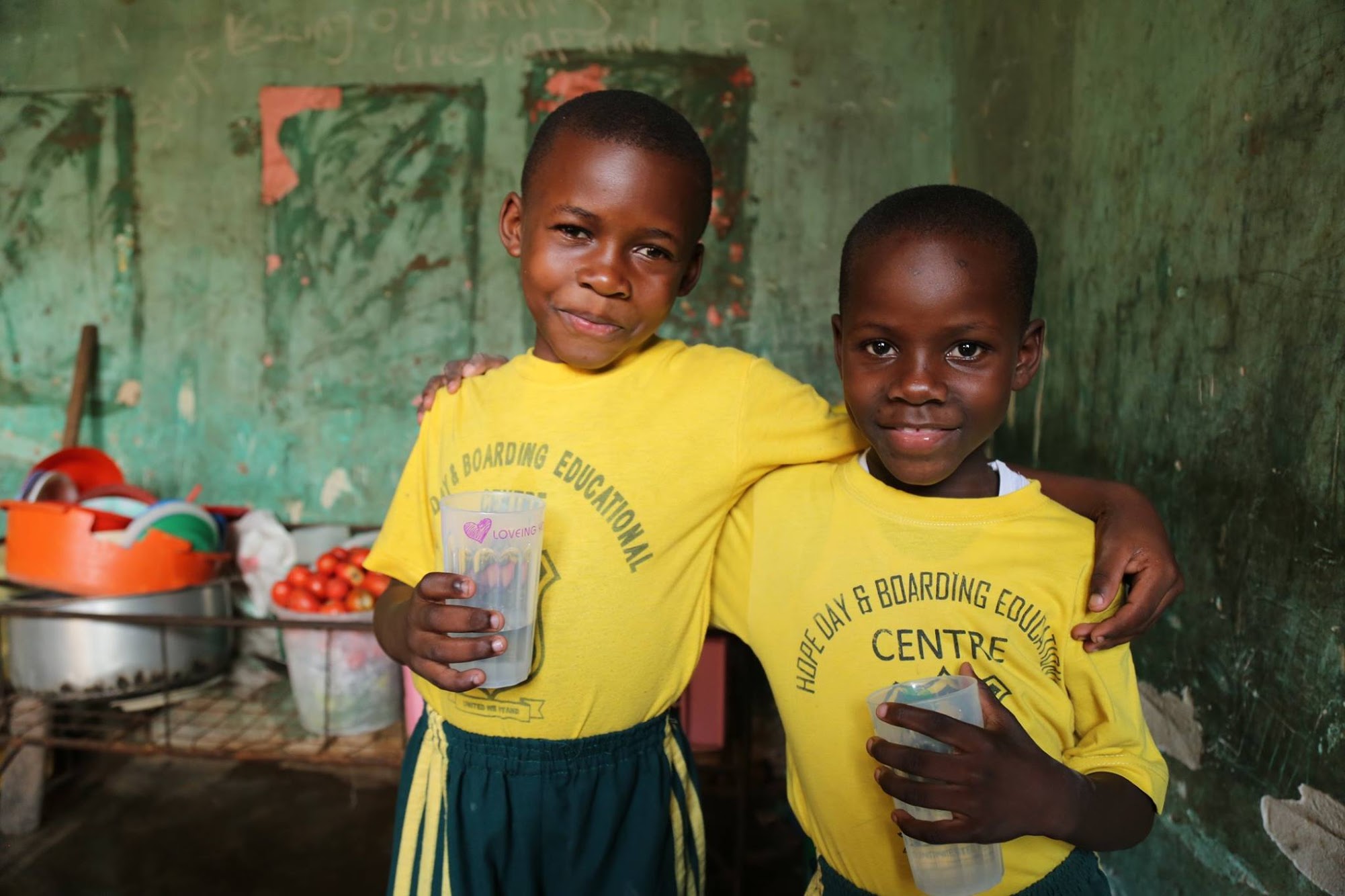
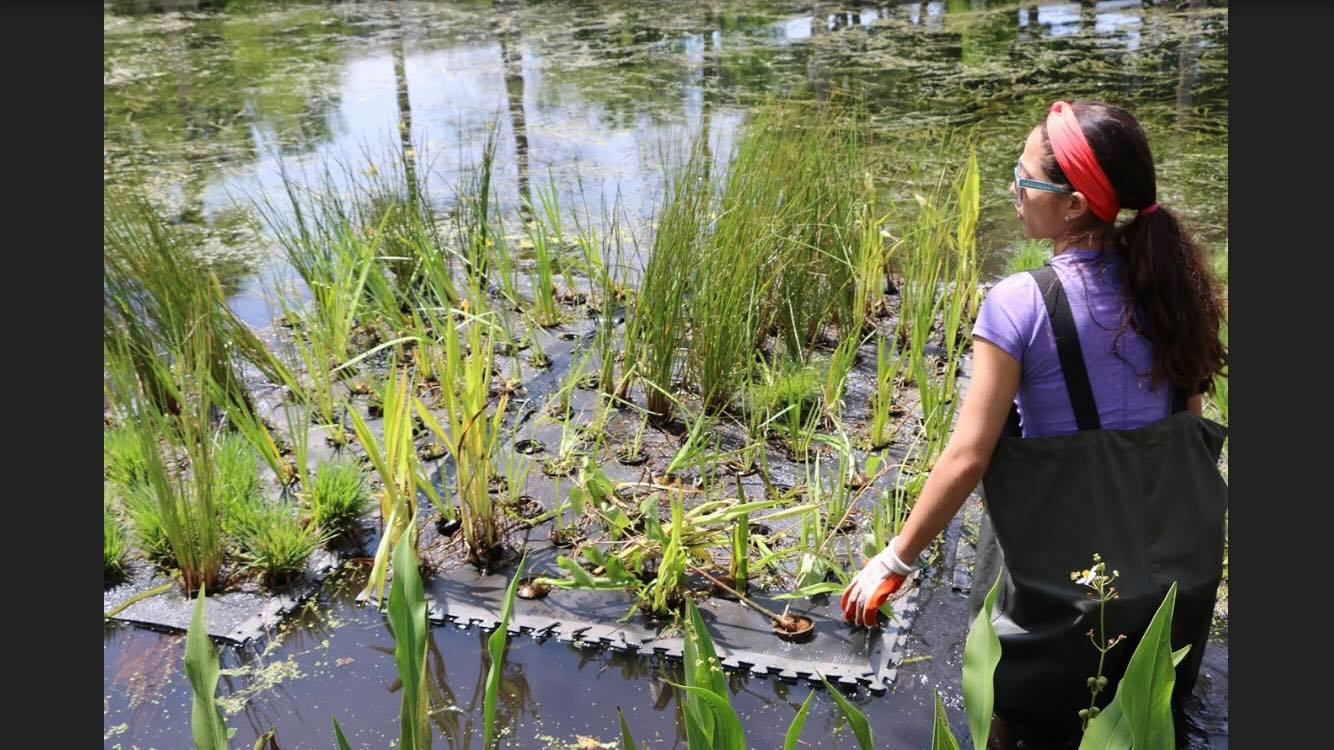
In 2011, IDEAS For Us led a Floating Beemat Program focused on improving water quality and restoring aquatic ecosystems through nature-based stormwater treatment solutions. These floating wetlands utilized native aquatic plants and root biofilms to absorb excess phosphorus and nitrogen from polluted waterways, helping reduce harmful algae growth and eutrophication. Installed in locations across Florida, the Beemats demonstrated measurable improvements in water clarity and ecosystem health while also creating habitat for birds and aquatic wildlife. The program highlighted how innovative ecological restoration strategies can help communities address nutrient pollution caused by urban development, agriculture, and stormwater runoff.
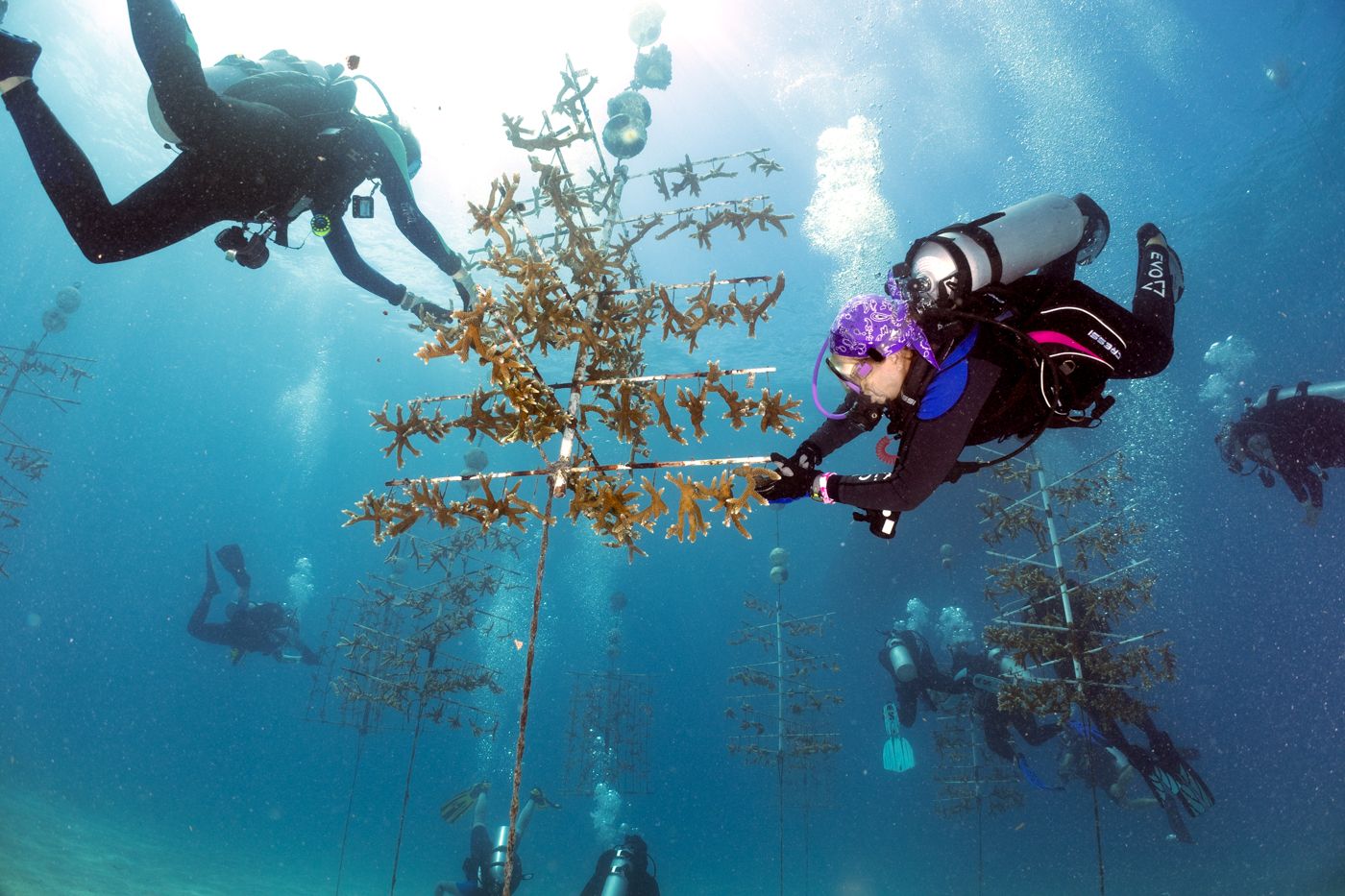
In 2023, IDEAS For Us expanded water-focused sustainability education through the Florida Green Jobs Youth Initiative by training young people across Florida in sustainable aquaculture, hydroponics, aquaponics, and environmental stewardship practices that support healthier water systems and resilient communities. Through workshops in Orlando, Miami, and Tampa, the initiative connected over 1,000 participants to hands-on learning opportunities focused on protecting natural resources, careers in aquaculture, & coral restoration.
IDEAS For Us transforms underutilized spaces into productive urban farms, school gardens, food forests, and community growing spaces that increase access to fresh food while reconnecting people with nature. Our food programs combine environmental education, nutrition access, regenerative agriculture, and community engagement to create healthier neighborhoods and more resilient local food systems.
Our food initiatives include Fleet Farming’s lawns-to-farms program, school gardens, community gardens, edible landscaping installations, hydroponics and aquaponics education, food distributions, urban agriculture workforce training, pollinator gardens, composting education, and sustainable farming workshops. IDEAS also supports garden-based learning programs that provide students and families with hands-on experiences related to nutrition, environmental stewardship, and food production.
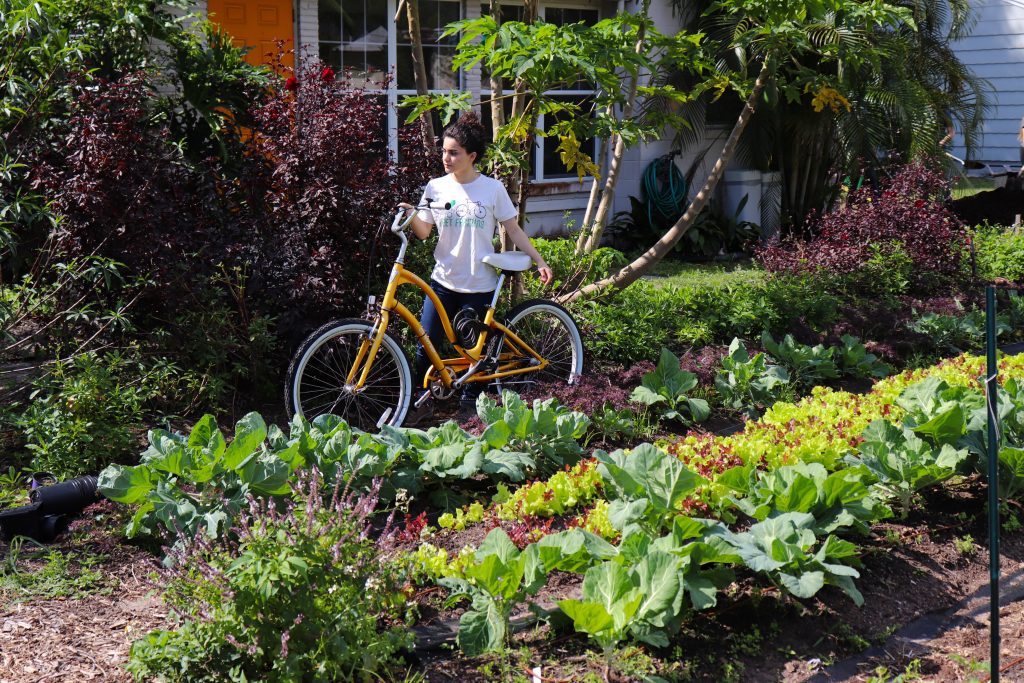
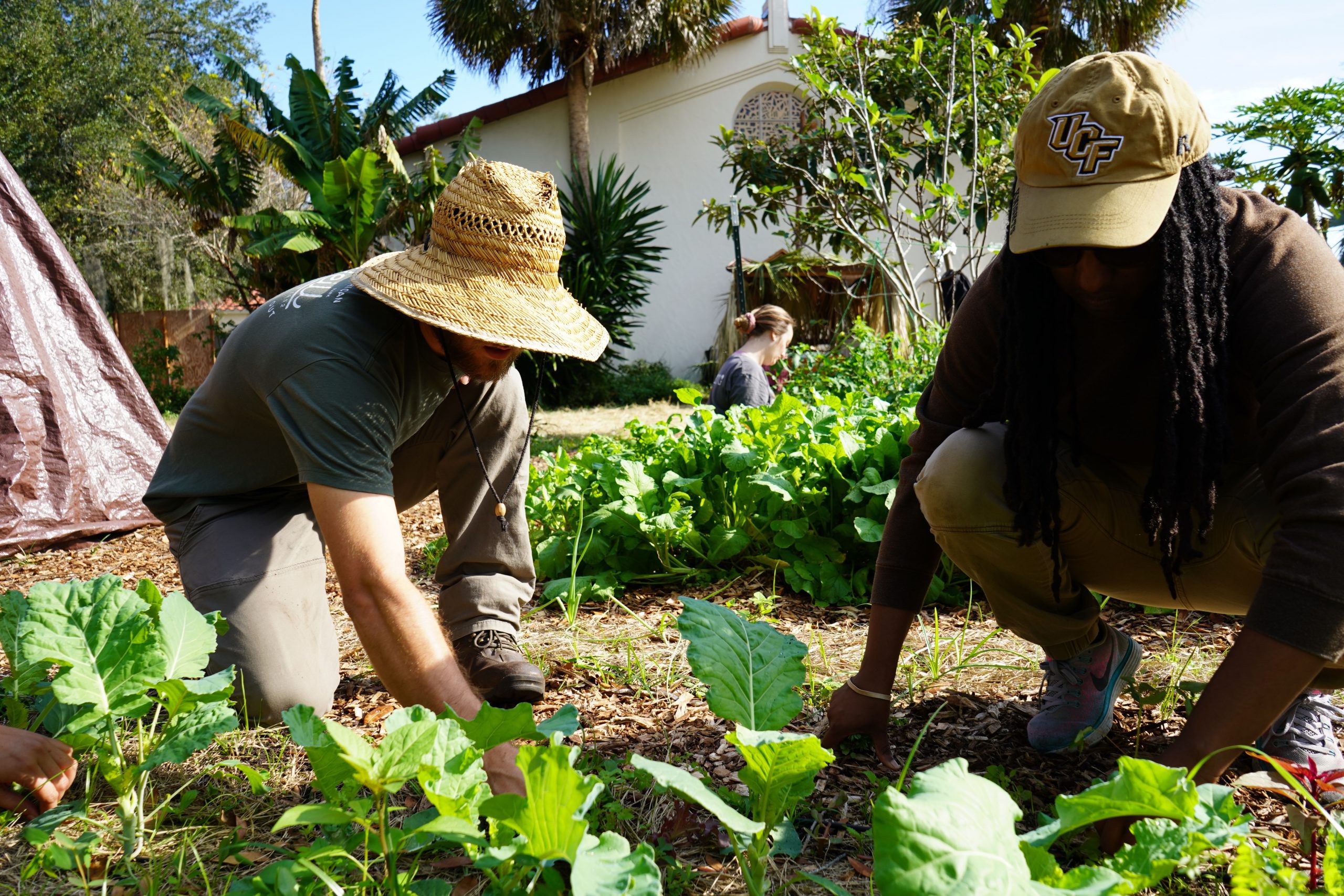
Fleet Farming is IDEAS For Us’ urban agriculture program that transforms residential lawns into productive micro-farms through its innovative “lawns-to-farms” model. Using bicycle-powered farming methods, Fleet Farming grows fresh food in urban communities while providing environmental education, volunteer opportunities, and workforce training focused on regenerative agriculture and sustainable local food systems.
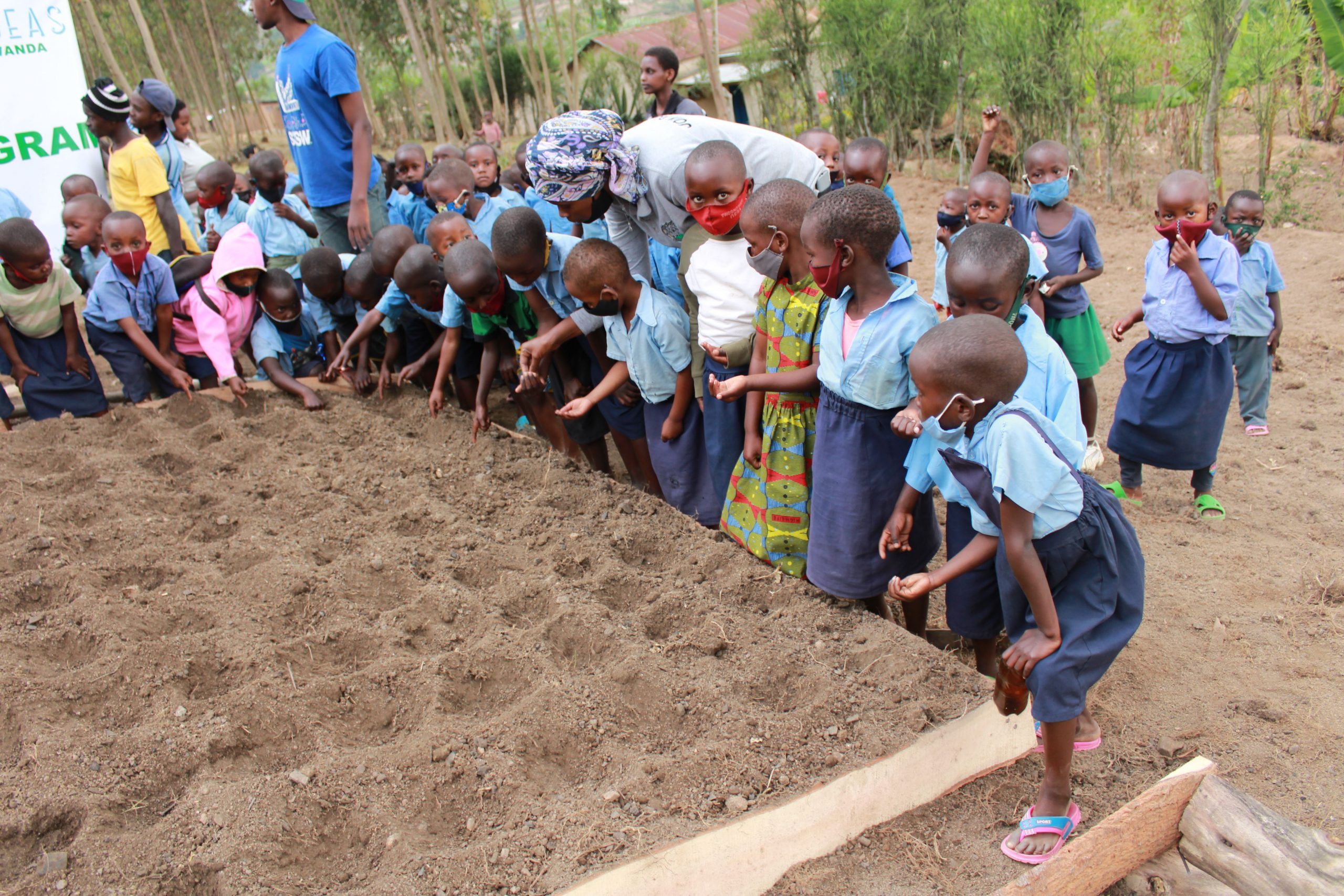
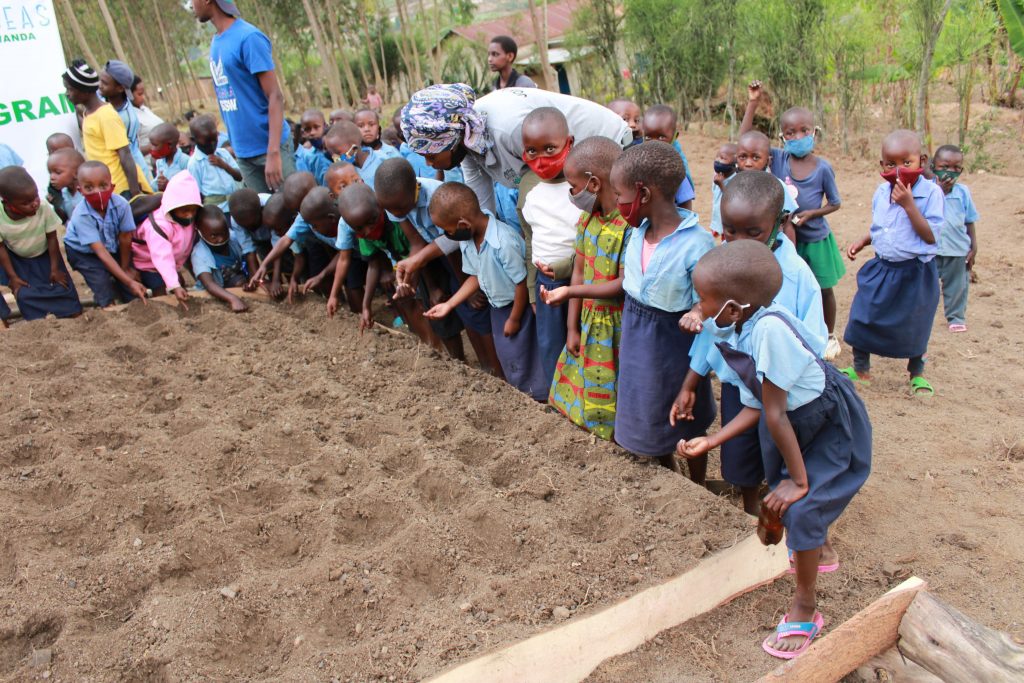
IDEAS For Us develops school gardens across local and international communities that provide hands-on environmental education while increasing access to fresh food and nature-based learning opportunities. These gardens serve as living classrooms where students learn about nutrition, sustainability, ecology, and food production through interactive experiences that strengthen both community wellbeing and environmental stewardship.
Through several of our Africa branches, IDEAS For Us supports community and orphanage gardens that improve food access, provide agricultural education, and create long-term sustainable growing systems for vulnerable communities. These projects help strengthen local food security while empowering youth and families through hands-on environmental and agricultural training.
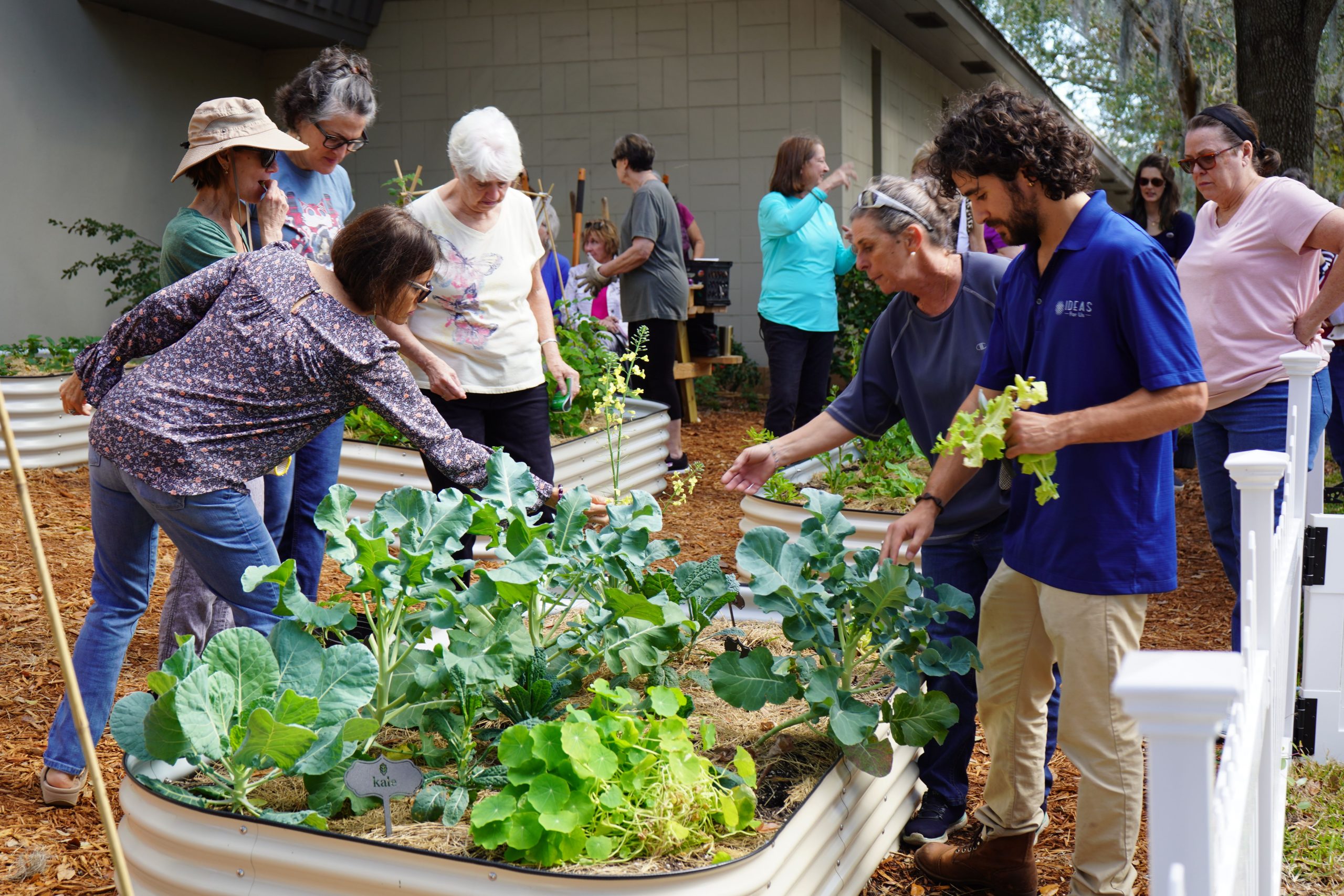
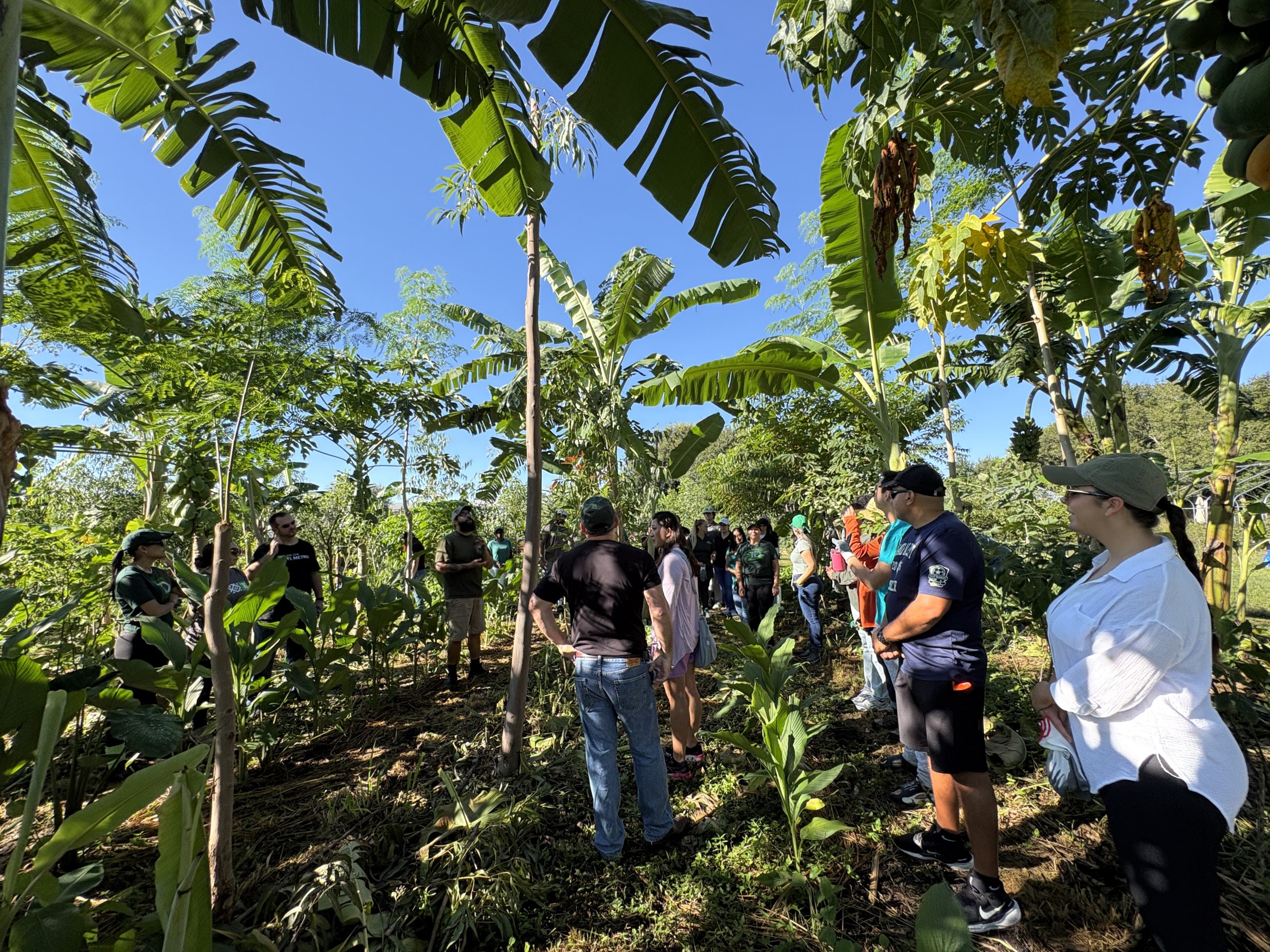
Edible Landscapes is IDEAS For Us’ sustainable landscaping initiative focused on creating beautiful, functional, and environmentally beneficial outdoor spaces. The program designs and installs edible gardens, native landscapes, pollinator habitats, food forests, and low-impact green spaces that support biodiversity, food access, and community resilience throughout Central Florida.
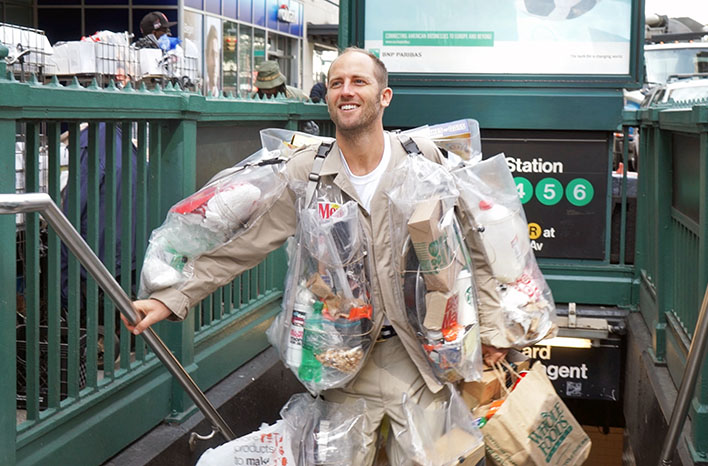
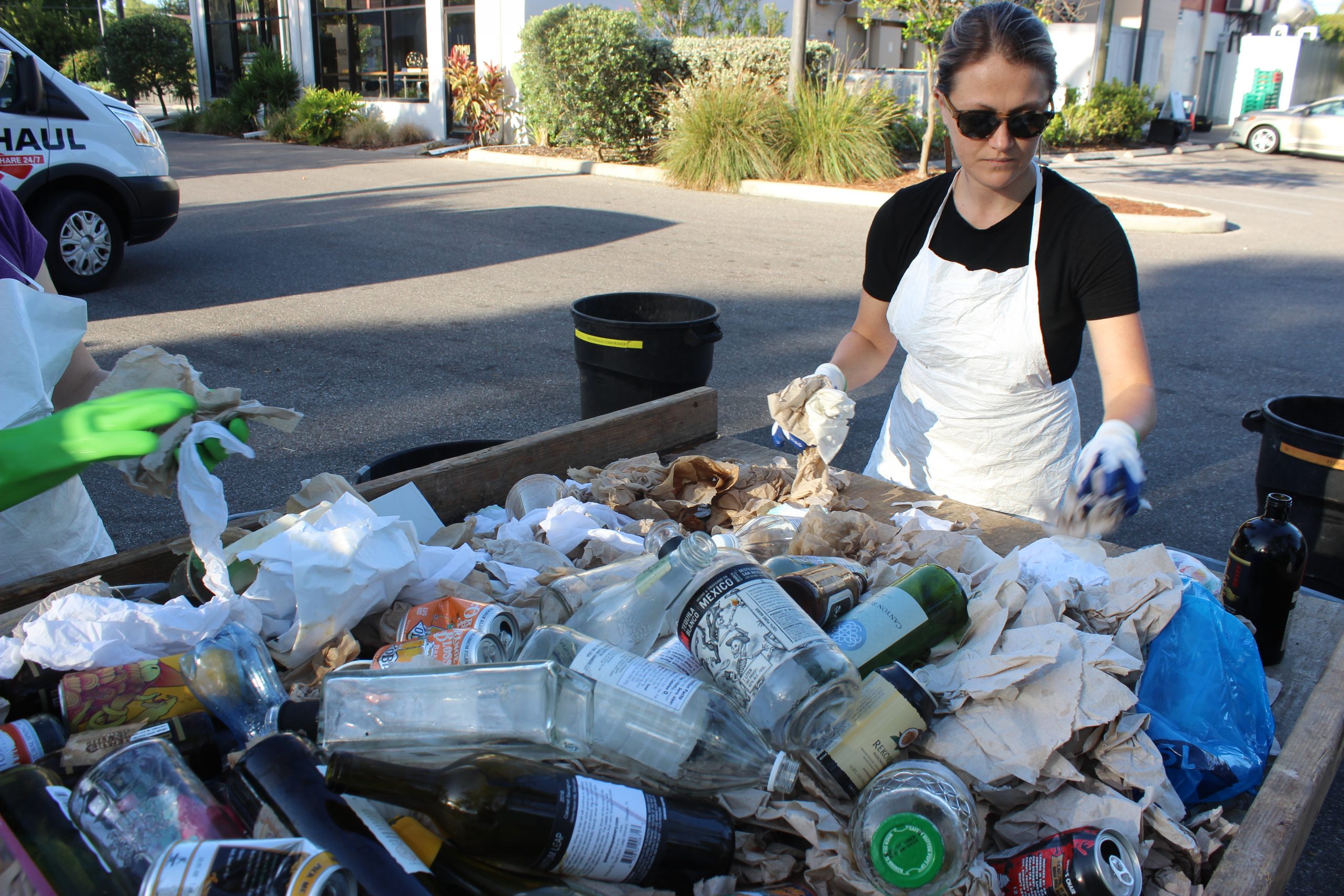
IDEAS develops programs that reduce waste, promote reuse, and encourage sustainable consumption through community cleanups, recycling initiatives, educational campaigns, and zero-waste events. Our goal is to help communities rethink waste while creating cleaner and healthier public spaces through direct environmental action and long-term behavior change.
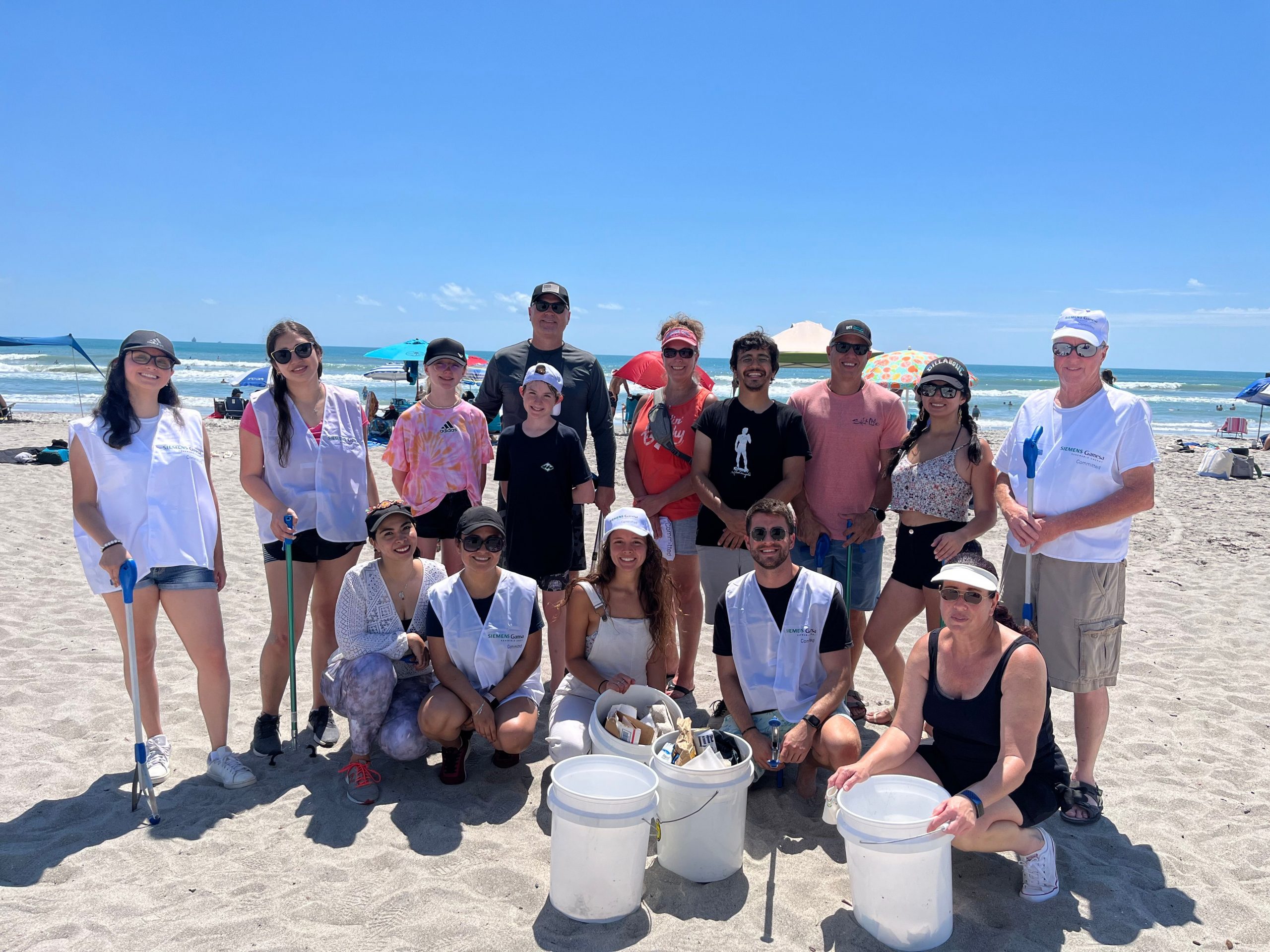
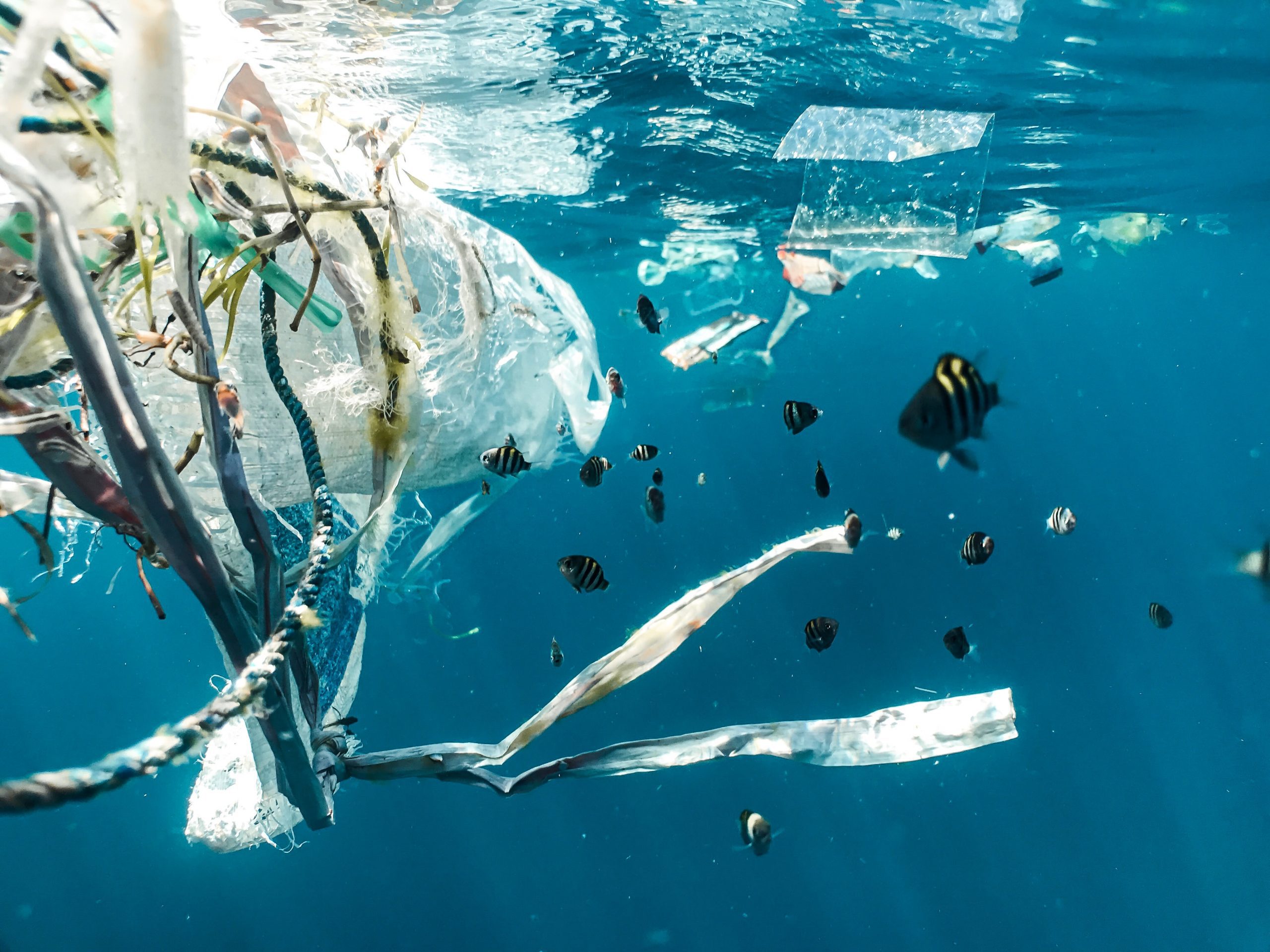
Our waste initiatives include shoreline and neighborhood cleanups, zero-waste event management, clothing swap shops, recycling education campaigns, litter prevention programs, composting initiatives, and community stewardship events. IDEAS has organized cleanup efforts locally and internationally, mobilizing volunteers to remove plastic, debris, and waste from coastlines, lakes, parks, and urban environments while educating communities on circular economy solutions and sustainable practices.
IDEAS For Us leads ecological restoration projects that strengthen biodiversity, restore habitats, expand native landscapes, and improve ecosystem health. Through community-based restoration efforts, we help reconnect people with the natural world while building healthier and more resilient ecosystems in urban and rural environments alike.
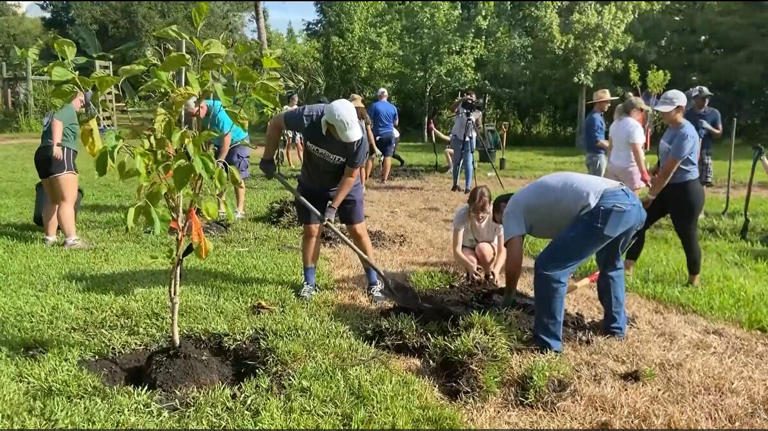
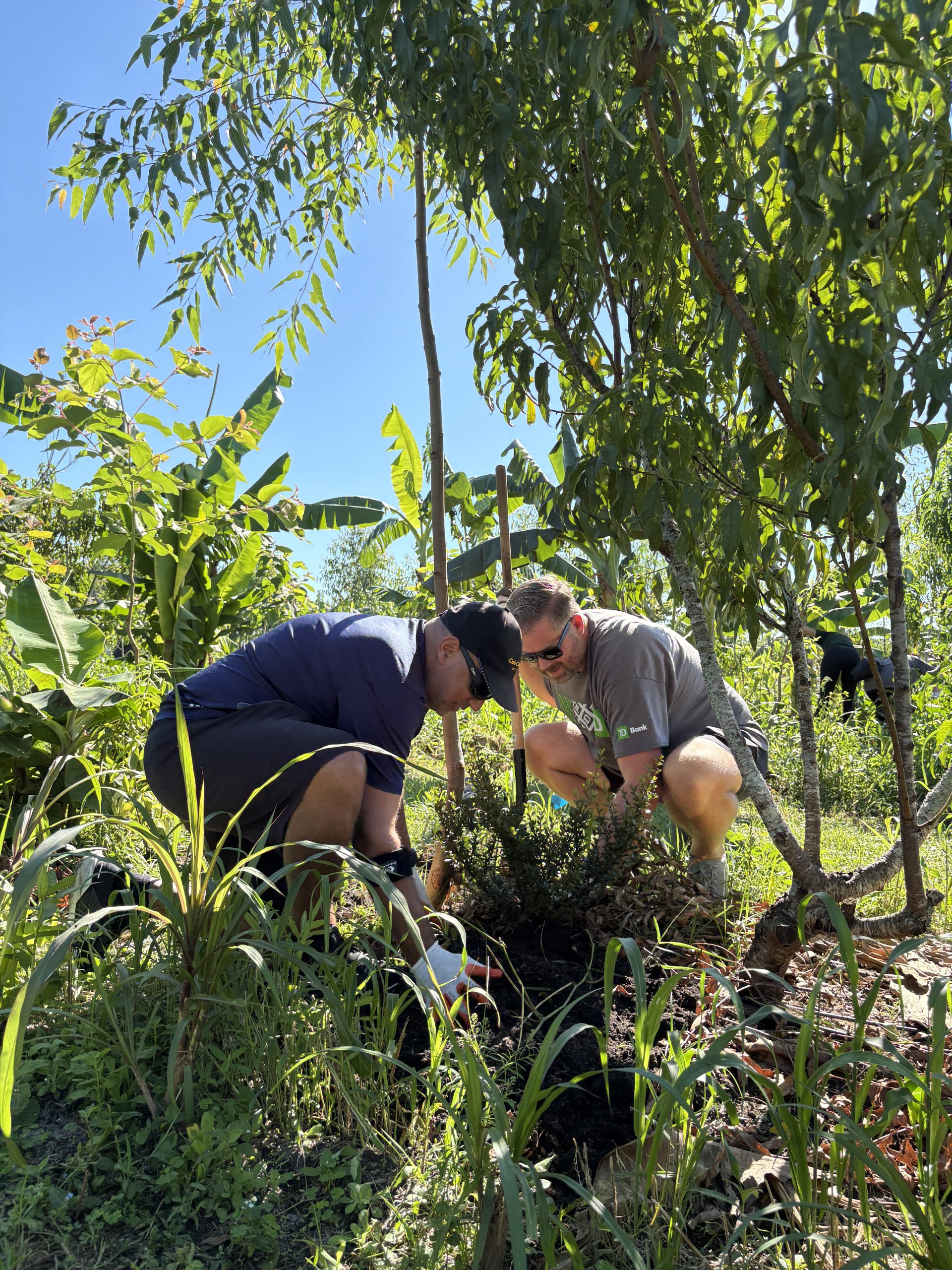
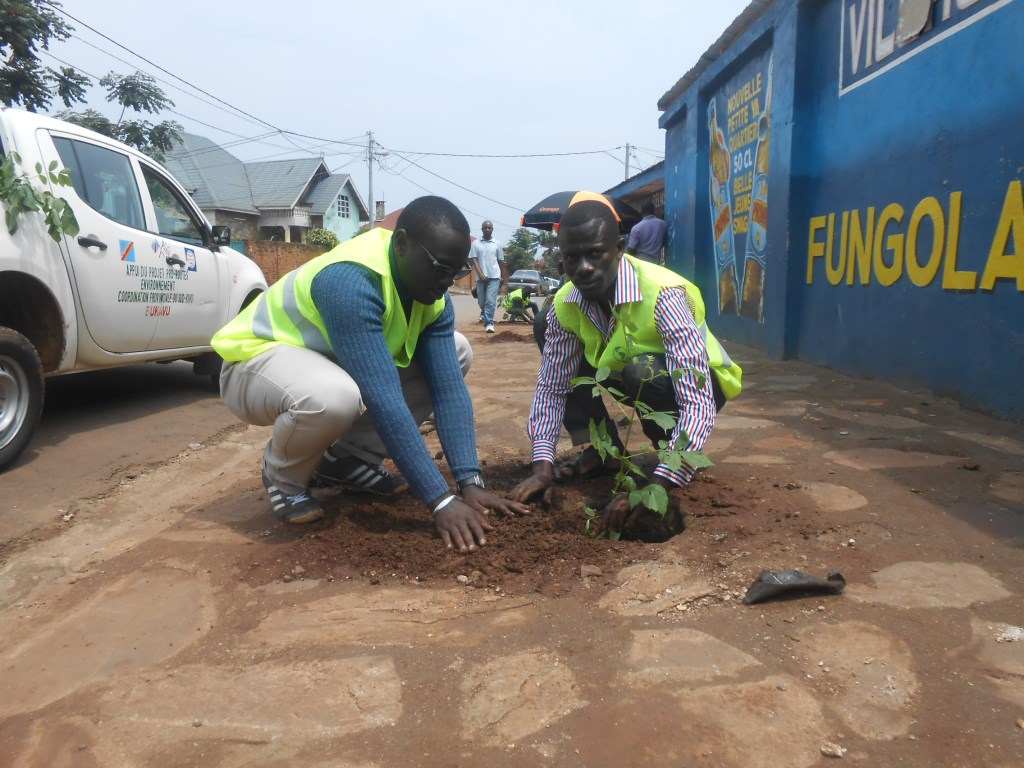
Our ecology initiatives include urban forestry projects, native tree plantings, shoreline restoration, pollinator habitat installations, mangrove planting, invasive species removal, reforestation efforts, wetland restoration, edible forest projects, and community greening initiatives across Florida and internationally. IDEAS chapters around the world have planted thousands of trees, restored degraded landscapes, and developed long-term ecosystem restoration projects that support biodiversity, carbon sequestration, erosion control, and community resilience.