

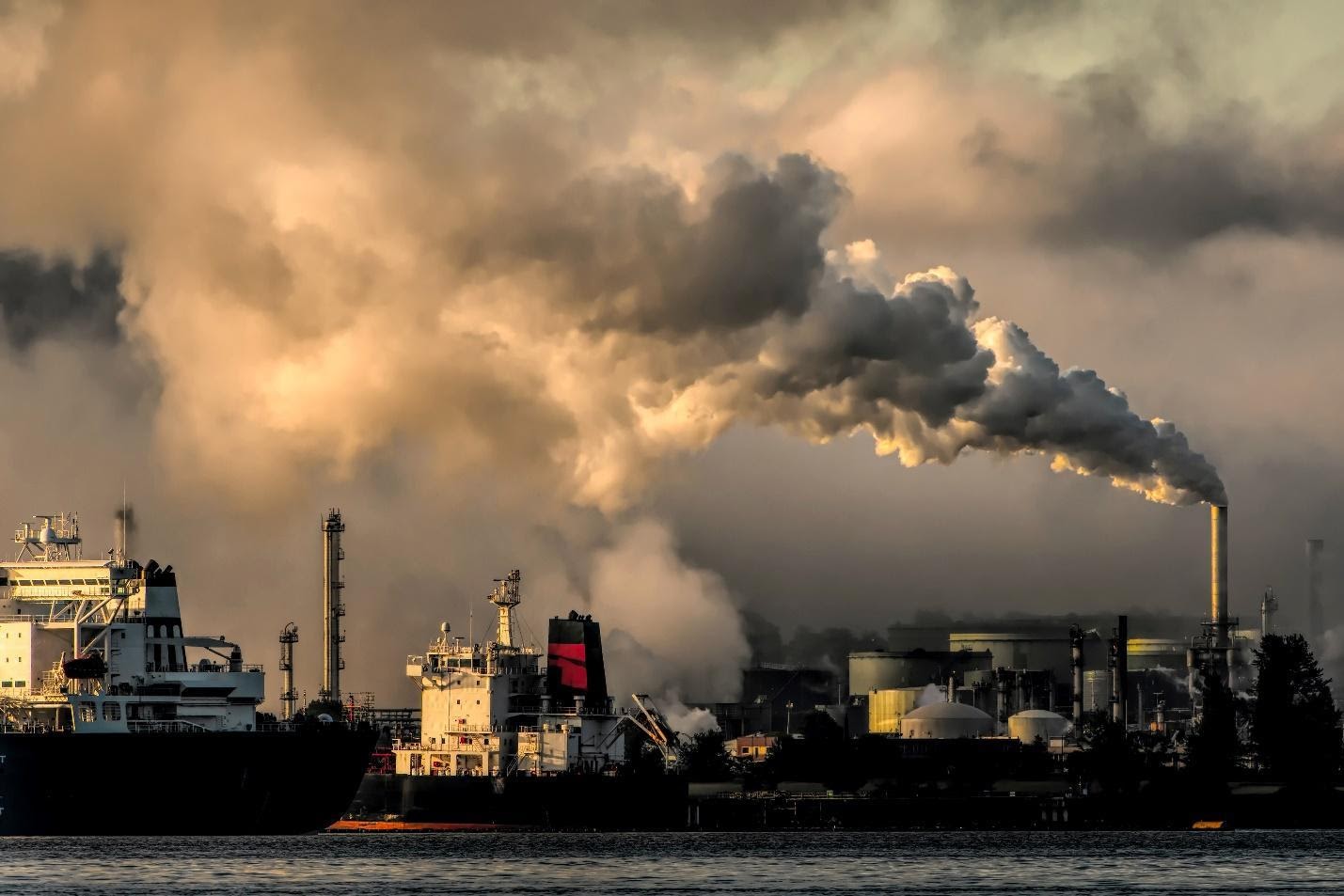
Carbon dioxide (CO2) is the predominant greenhouse gas released into the atmosphere by human activities.1 For instance, in 2019, carbon dioxide made up slightly more than 80% of all greenhouse gasses emitted into the atmosphere by humans in the United States.1,2 This makes carbon dioxide the main driver of global warming. However, there is another potent greenhouse gas released anthropogenically that’s accelerating global warming: methane (CH4).2 Why are Methane Emissions Harmful? As a greenhouse gas,
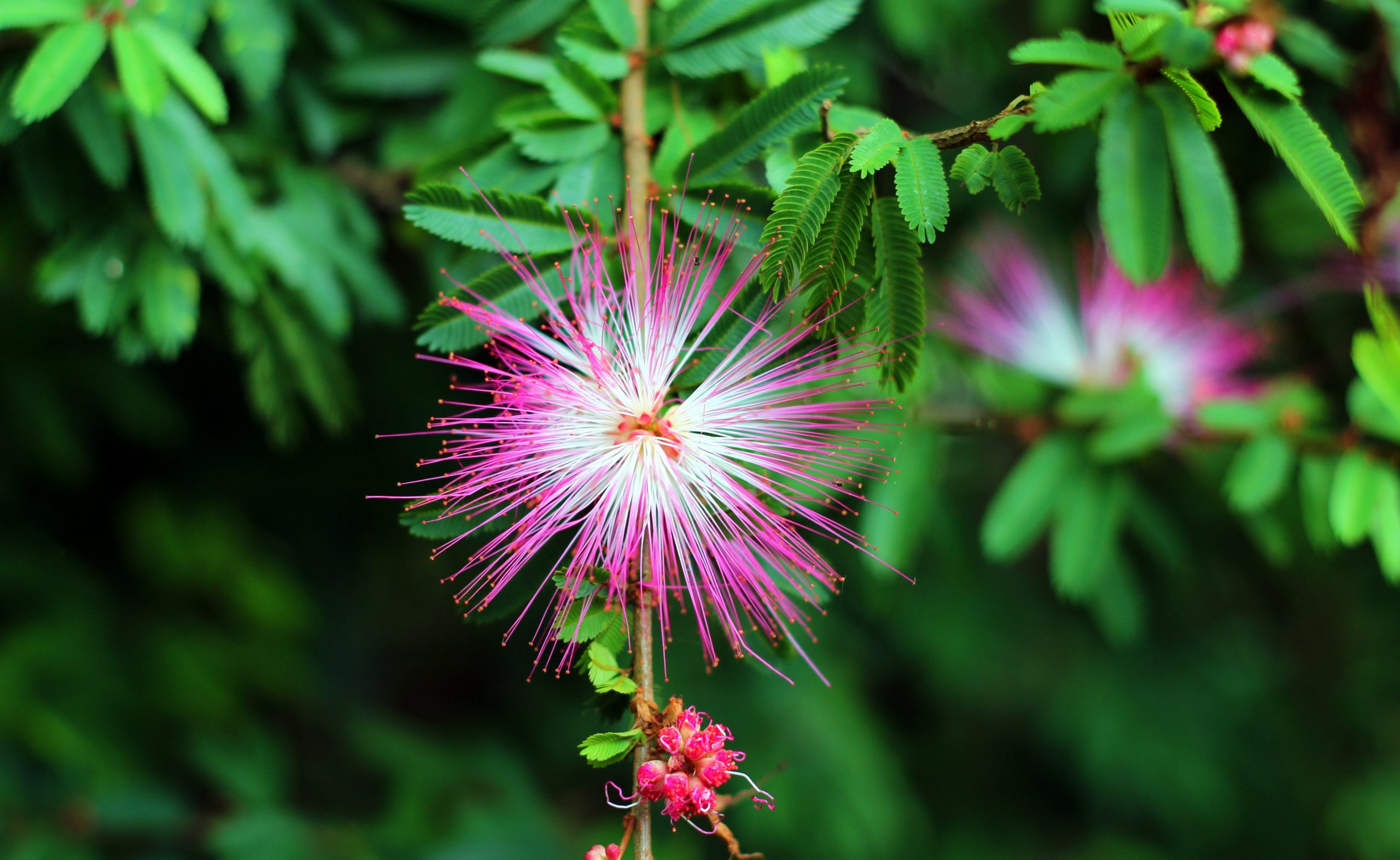
10 Edible Invasive in Florida 10 Edible invasive in Florida. Invasive plants are one of the main reasons biodiversity in Florida is on a steady decline. These invasive species are often able to outcompete native plants, animals, and even insects for essential resources whether that is food, shelter, or other basic needs. Biodiversity refers to the range of species within a specific ecosystem or habitat. Preserving the natural biodiversity of an ecosystem can aid in
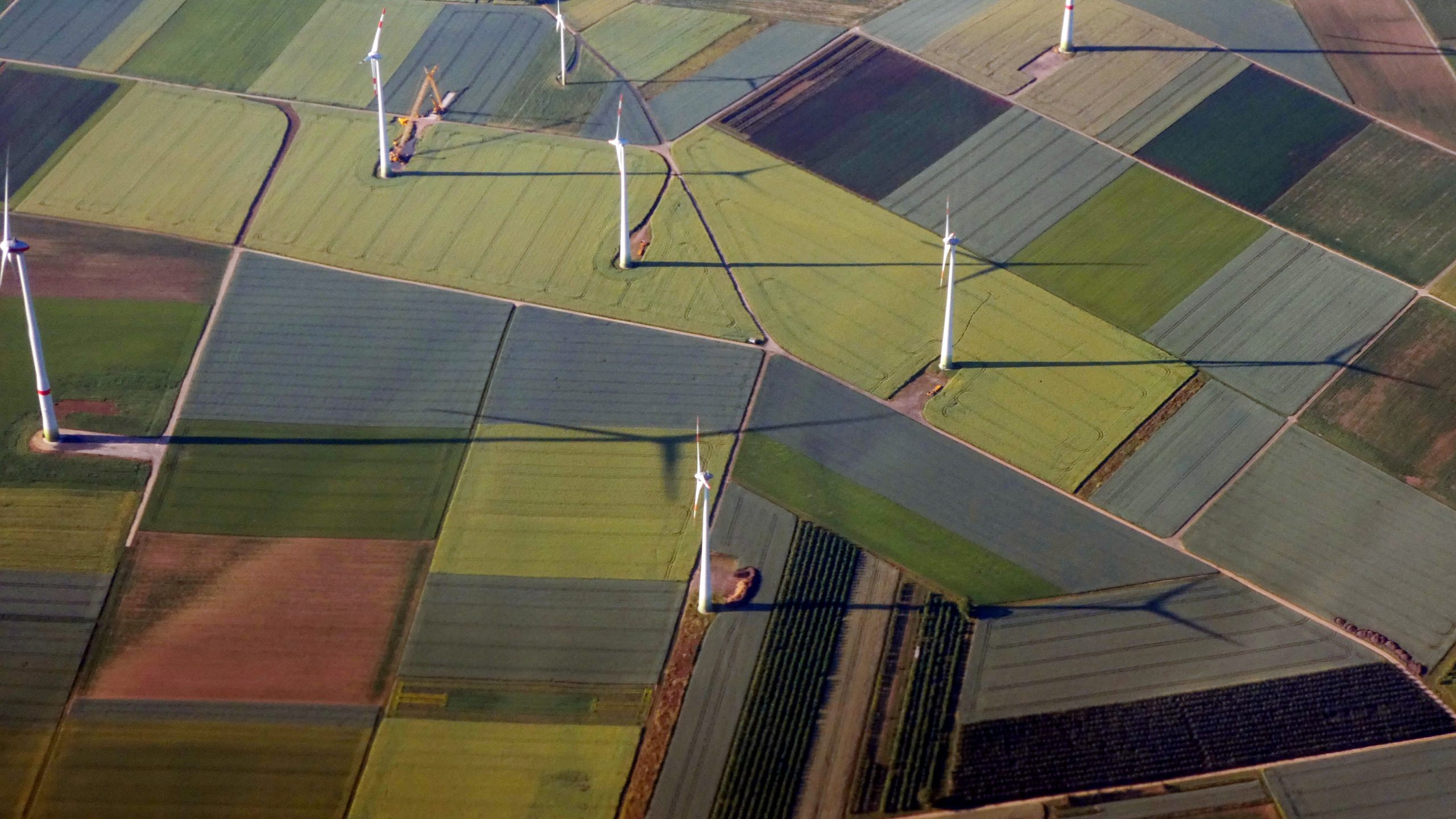
On November 19th, 2021, the House passed the Build Back Better Act (BBBA) with a close 220 to 213 vote.1 Now that the BBBA is onto the Senate, let’s look at what the bill contains for fighting the climate crisis as it proposes a total of $555 billion in clean energy and climate investments.2 PHOTO FROM UNSPLASH/MARKUS SPISKE The symbol that appears in the poster is the extinction symbol, as the “hourglass inside serves as
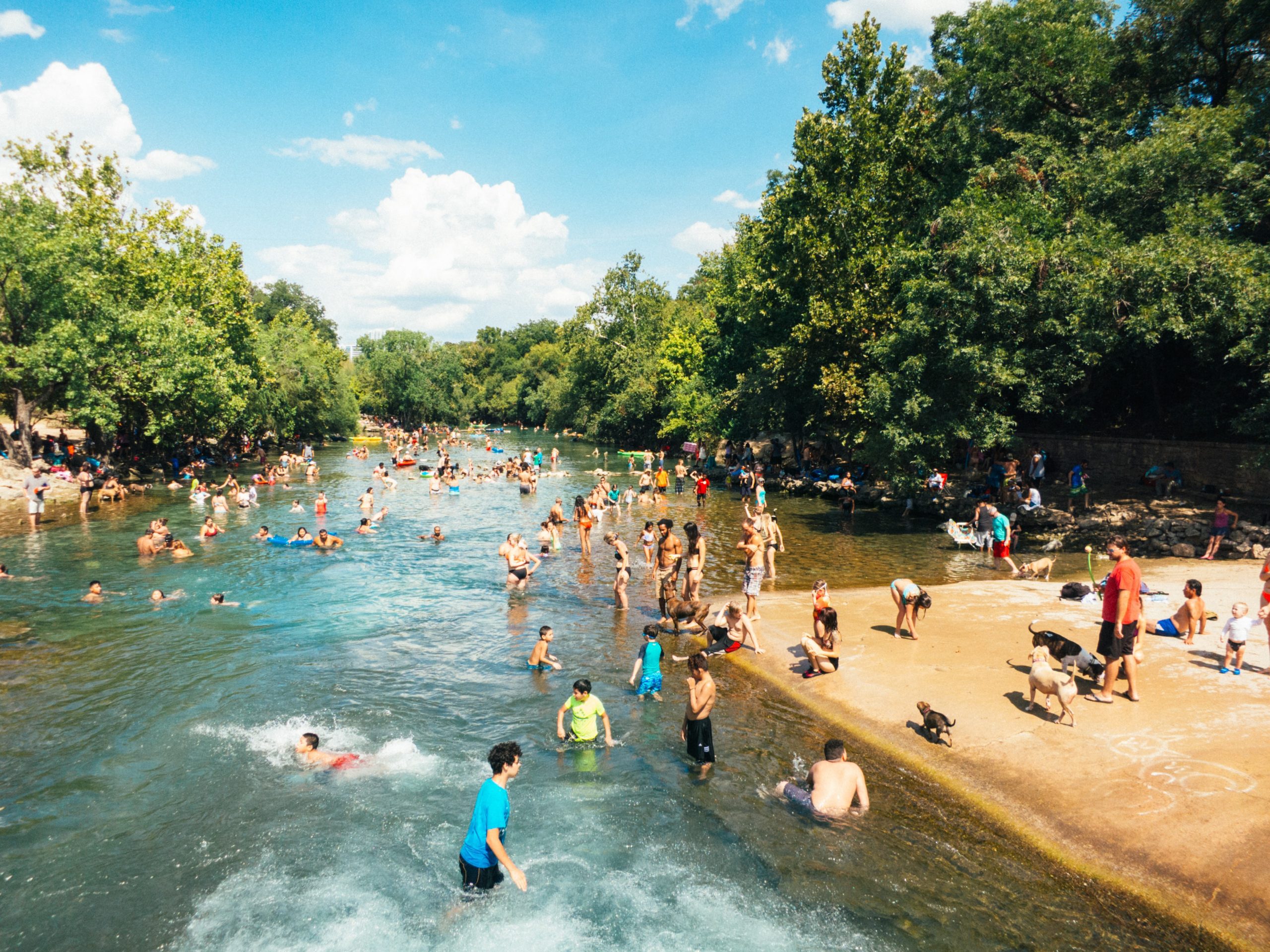
What Causes Heat Waves? A heat wave happens when there are three or more days of unusually high maximum and minimum temperatures1. Heat waves are caused by a system of high atmospheric pressure moving into a certain area2.To be considered a heat wave, temperatures have to be outside the historical average2. 2021 Heat Waves in the United states Over the summer, the west of the United States was hit with intense heat waves. Death Valley

The Enbridge Line 3 pipeline – here’s what’s happening. This Canadian company’s pipeline runs from Alberta, Canada to Superior, Wisconsin.1 On October first, tar sands oil started moving through Line 3 and “will carry 760,000 barrels per day…through more than 200 bodies of water,”1 over 1, 097 miles,2 including 75 miles of wetlands.3 The Line 3 Pipeline Replacement Project was an 8.2 billion dollar project and actually doubled its original barrel capacity.2
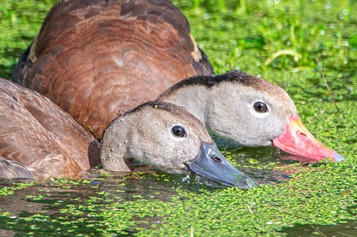
Duckweed is the focus of this Florida Native Plant Spotlight. When we think of ways in which we can help the environment we often overlook some of the smallest plant tools to make an environmental change. Common amongst most bodies of freshwater around the world it is becoming increasingly popular when it comes to the environment, authors of “The Duckweed Genomes”4 state in their book that Duckweed can be used for carbon sequestration, Biofuels, and