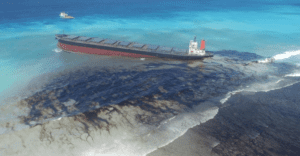
Bioremediation to Clean Up Oil Spills
Bioremediation to Clean Up Oil Spills Bioremediation to Clean Up Oil Spills. Image source: Oil is seen leaking from the Japanese-owned bulk carrier, MV Wakashio 13. What is an

Bioremediation to Clean Up Oil Spills Bioremediation to Clean Up Oil Spills. Image source: Oil is seen leaking from the Japanese-owned bulk carrier, MV Wakashio 13. What is an

Sea Level Rise in Florida Sea level rise in Florida. Sea level rise is an increase in the standard of the world’s oceans consequent to the influence of global warming
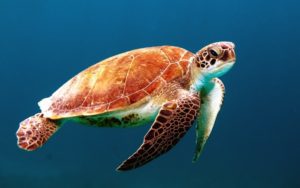
Protecting Sea Turtles Protecting sea turtles…how do we go about it? These are one of the ancient species, and they lived in the time of dinosaurs. Sea
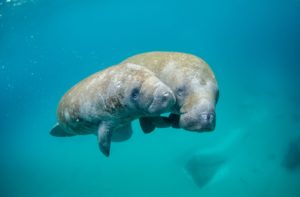
Are Florida Manatees in Danger of Extinction? Manatee extinction is a hot topic of discussion in Florida. The Florida Fish and Wildlife Conservation Commission (FWC) recorded 819 manatee deaths from

President Biden suspended drilling leases in the Arctic National Wildlife Refuge (ANWR) earlier this month.1 Here’s why drilling should be avoided.
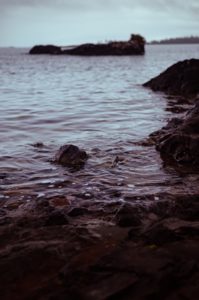
Since 1968, Line 5 has had 33 spills equaling at least 1.1 million gallons of oil.1 Governor Whitmer revoked the original 1953 easement agreement which authorized Enbridge, the Canadian-owned company, to operate Line 5 in November of the last year2 as she describes it as a “ticking time bomb.” The May 12th deadline to stop moving oil through the pipeline has seemingly been ignored by Enbridge.3
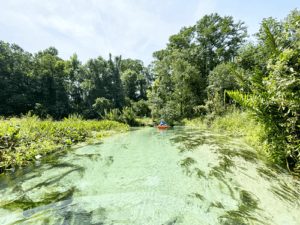
Herbicides in Our Natural Water Bodies Herbicides in our natural water bodies. Have you ever visited a natural waterbody and noticed plants dying along the shoreline? This may be due

Nestle to Deplete Ginnie Springs Nestle to Deplete Ginnie Springs. Recently, a corporation called Seven Springs Water Co. attempted to renew their water permit allowing them to drain the water
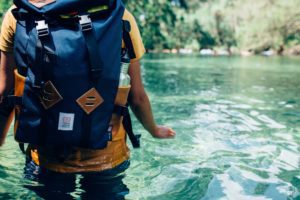
Blue Spring State Park This state park is located in Orange City, Florida that features a cool water spring on the St. John’s river. The spring is home to manatees,

10 Easy Ways to Conserve Water Daily. According to the United States Environmental Protection Agency, the average American uses approximately 88 gallons of water a day (1). Not only is