Category: Energy

IPCC Sixth Assessment Report: Key Points Explained

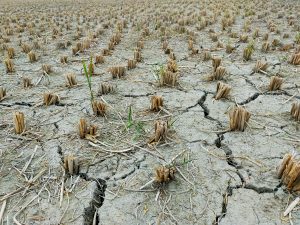
The IPCC, Intergovernmental Panel on Climate Change, “is the United Nations body for assessing the science related to climate change”1 that was created to give policymakers routine climate change assessments -including implications and potential dangers concerning climate change, and new proposals for adaptation and mitigation.1  You may have heard this report referred to as the UN’s Climate Change Report or AR6. This article will focus on Summary for Policymakers, Chapter 3, Chapter 4, and Chapter 11 of the AR6.

Read More »

Golf Courses, Potential Solar Farms

Golf courses account for 2 million acres of US land.1 There are about 16,000 courses in the US2 and “most golf courses are spread across 110 to 190 acres.”3 Golf is on the decline, with a 22% loss of golfers (6.8 million) from 2003 to 20184, and more than 800 golf courses have shut down in the US as people between 18 and 30 “have a lack of interest in playing the game.”5

Read More »
wind energy in the U.S.

Wind Energy in the U.S.

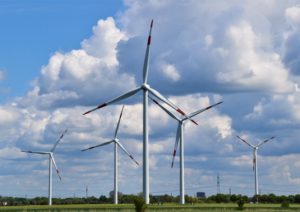
Wind energy is on the rise. Between 2000 and 2020, the total electricity generated from wind in the US increased from 6 billion kWh to 338 billion kWh.1 Wind energy is predicted to save “consumers $280 billion by 2050”2 and it’s also affordable with wind generation agreements usually offering 20-year fixed pricing. Wind energy also reduces emissions. In 2013, 250,000 metric tons of air pollutants, including sulfur dioxide, nitric oxide, nitrogen dioxide, and particulate matter was avoided.2 In 2019, “Wind energy avoided 198 million metric tons of CO2”3 and by 2050, wind energy will avoid 2.3 gigatonnes of greenhouse gas emissions.2

Read More »
Skip to content