


The Solutions Fund is the international grant-giving branch of IDEAS for Us. We receive applications from leaders and local organizations in communities all around the world – many of them furthest from sustainable development. By choosing the projects with the most impact and suggesting minor adjustments based on expertise, our team then funds these projects and tracks their impact over time. The IDEAS’ Solutions Fund mission is to invest in hyper-local solutions which are sustainable
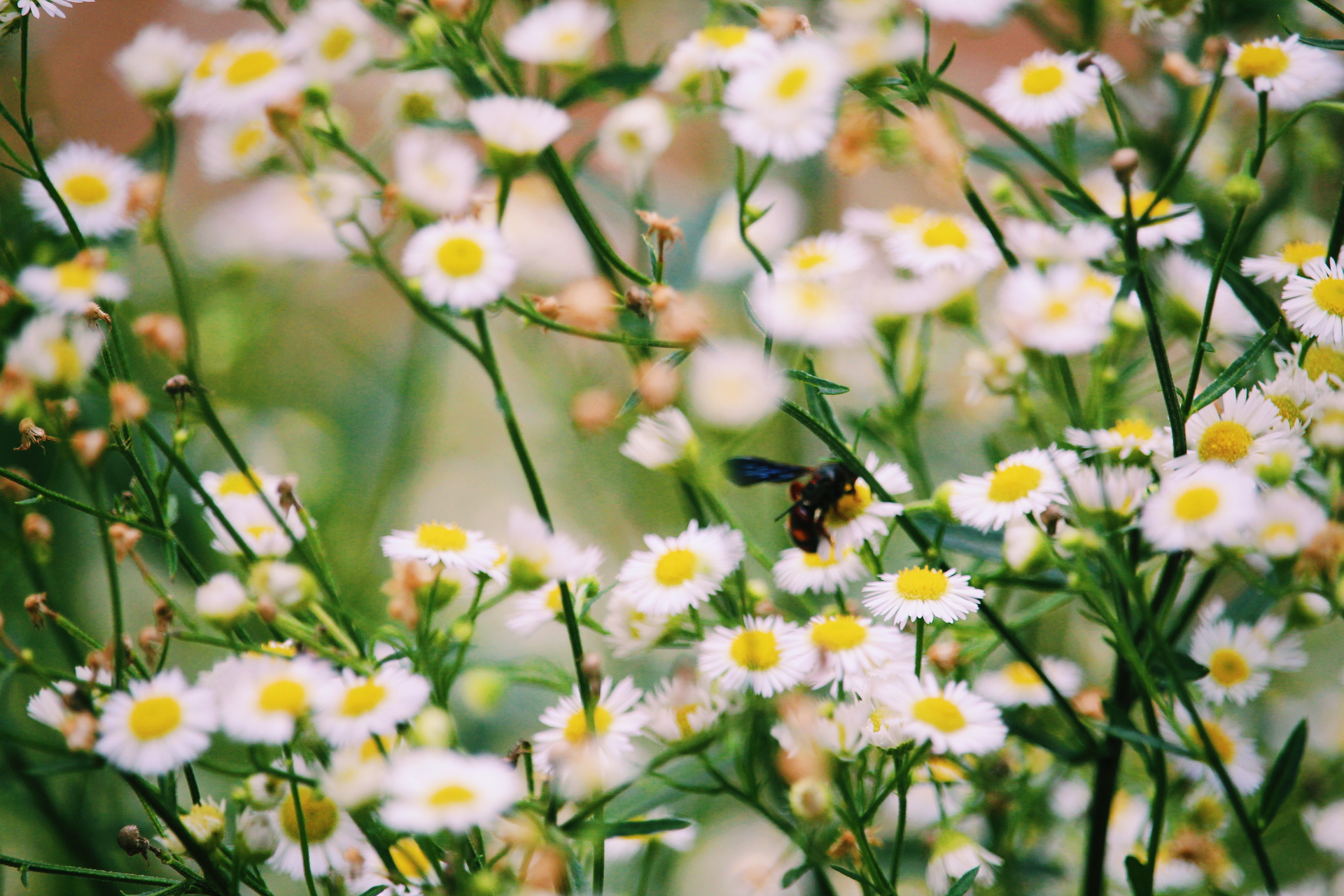
During National Pollinator Week last month, the UCF Arboretum hosted a bee condo building event to showcase just how easy it is to help pollinators thrive in your own garden by providing a home for them. It was a typical hot and sunny summer day here in Central Florida, but that didn’t stop numerous students, families, and community members from coming out to learn about pollinator friendly flowers and to build habitats for the bees.
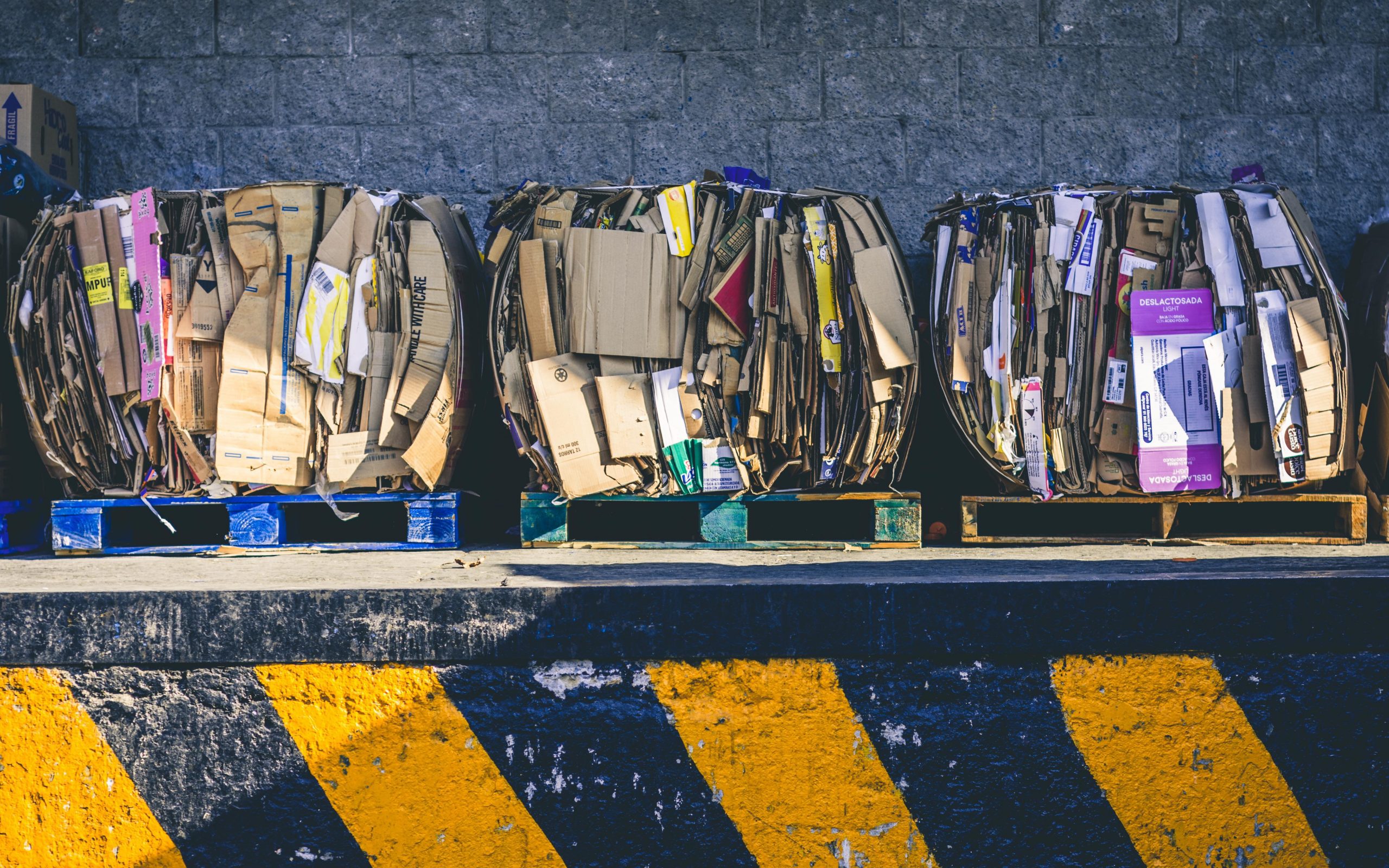
Why Recycling is Good for the Environment Waste Management 2022. Why is recycling good for the environment? Is recycling a waste of time? Is recycling a sham? I’ve heard recycling doesn’t work. Why is recycling good for the environment? With today’s world population growth rate, it seems almost impossible to see how recycling and reusing reduce pollution. There is just so much waste! The truth is, despite a loss of confidence in the act, what
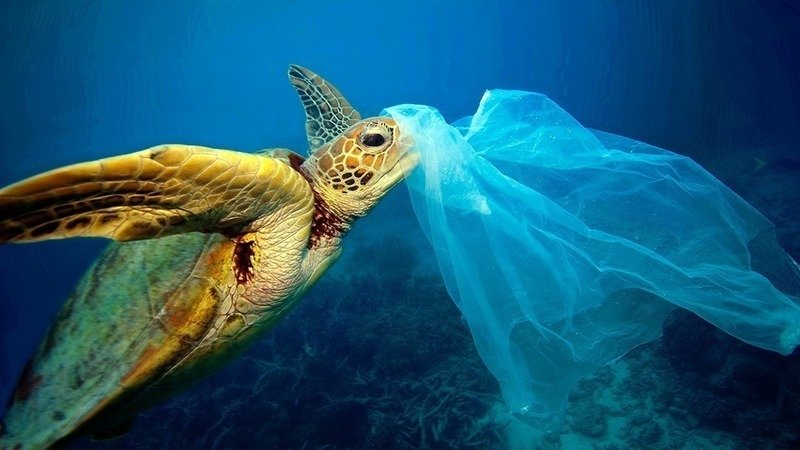
Why is plastic bad for the environment? Why is plastic bad for the environment? Plastic was once seen as a miracle material, and now it’s our planet’s worst nightmare. Plastic affects all life on Earth, whether we realize it or not. Even though plastic has only been mass-produced since the 1950’s, its effect is huge. Producing plastic creates fossil fuel emissions and pollution. 99% of plastic products are made from fossil fuel-based chemicals. These chemicals contribute directly
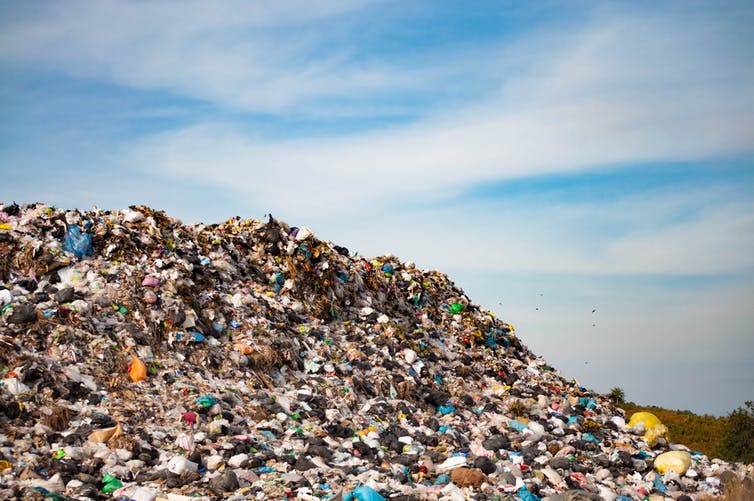
Plastic bags, water bottles, straws and utensils have become an everyday convenience, especially because of their small financial costs for major corporations, but at what cost to our planet? The Ocean Conservancy organization has collected over 200 million pounds of plastic from the ocean over the last 30 years. That includes straws, plastic bags, water bottles, cigarette filters, plastic utensils, and more. There is no number that exists for how many plastic bags have been used
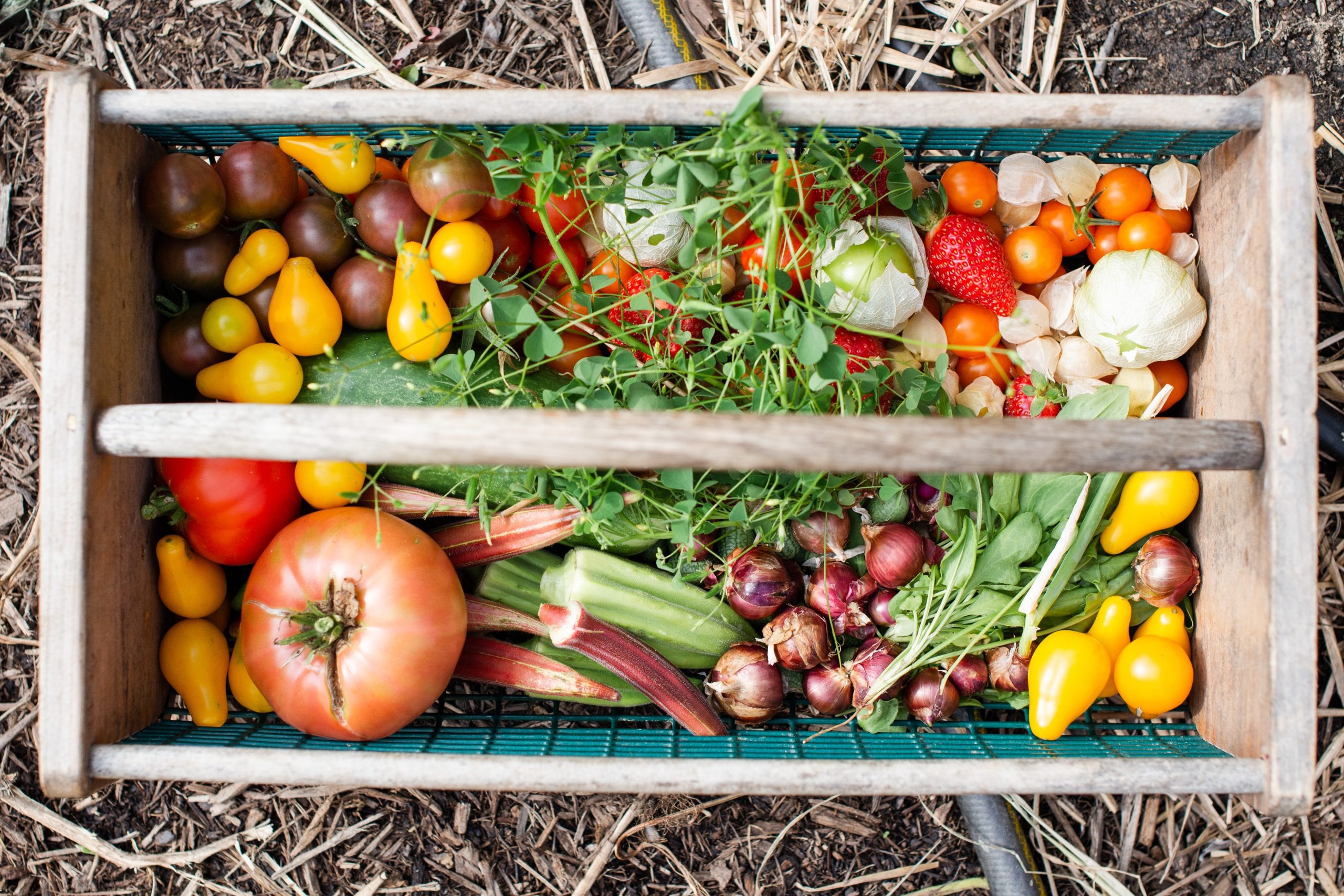
On every corner of urbanized communities is a supermarket offering thousands of products and produce shipped from all over the world. While grocery stores are a convenient and inexpensive option for quick shopping, they do little to benefit the community economically and environmentally. There is also little information on where the produce comes from. It is often shipped from thousands of miles away. Imagine the fossil fuels expended and nutrients lost in transit. Fleet Farming’s