An IDEAS For Us initiative · Hardee County, Florida
Welcome to The
Florida Biochar Project
Turning Florida’s agricultural waste into biochar that improves soil health, helps soil hold more water and nutrients, and stores carbon in the ground.
Biochar is a charcoal-like material made by heating organic materials, such as wood and agricultural waste, with very little oxygen.
When added to soil, biochar acts like a sponge, helping the soil hold onto water and nutrients that plants need to grow. It can also improve soil structure, support beneficial microorganisms, and keep carbon stored in the ground for hundreds of years or longer.
Tap each step to follow the process
It starts with what would otherwise be thrown away.
Leftover trees, branches, and other agricultural materials, including citrus trees removed from groves, are collected and repurposed instead of going to waste.
Heat, with very little oxygen.
The woody material is heated with very little oxygen. Instead of burning away, it turns into a stable, carbon-rich solid.
A charcoal-like material with a big job.
The result is biochar: a charcoal-like material that is ready to be added to soil.
A sponge for water and nutrients.
Added to soil, biochar helps hold onto the water and nutrients plants need to grow, improves soil structure, and keeps carbon stored in the ground for hundreds of years or longer.
Instead of letting leftover trees, branches, and other agricultural materials go to waste, we can turn them into something valuable that helps build healthier soil for Florida's farms.
The story of Florida citrus
From citrus groves to healthier soil
For more than a century, citrus farming has been part of Florida’s identity, producing oranges, grapefruit, and other citrus fruits while supporting farmers, families, and rural communities.
But Florida’s citrus industry is facing one of the biggest challenges in its history. Citrus greening disease, hurricanes, and rising production costs have devastated groves across the state, forcing many farmers to remove trees that once produced fruit.
The Florida Biochar Project is turning this challenge into an opportunity.
In Hardee County, we’re transforming removed citrus trees into biochar, a carbon-rich material that can improve soil health, help Florida’s sandy soils hold more water and nutrients, and store carbon in the ground.
Instead of losing the value of these trees entirely, we’re finding a new way for them to support Florida agriculture.
Then and now: drag down through time
1997–98244M
2013–14104.6M
2023–2518.1M → 12.2M
1997–98 season
244M
boxes of Florida oranges · 100% of the peak
1997 · the peakToday
Marked seasons are reported figures (1997–98 peak; 2013–14 per UF/IFAS FE983; 2023–24 and 2024–25 per USDA NASS). Motion between them is illustrative.
From the scrapbook
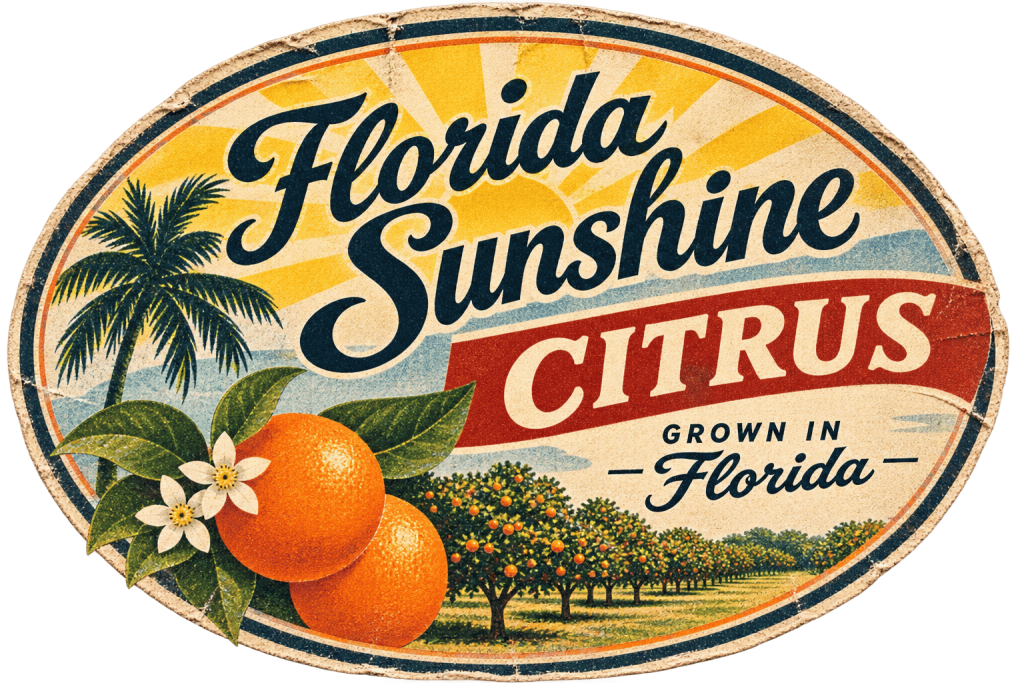
When Florida crates wore their own artwork
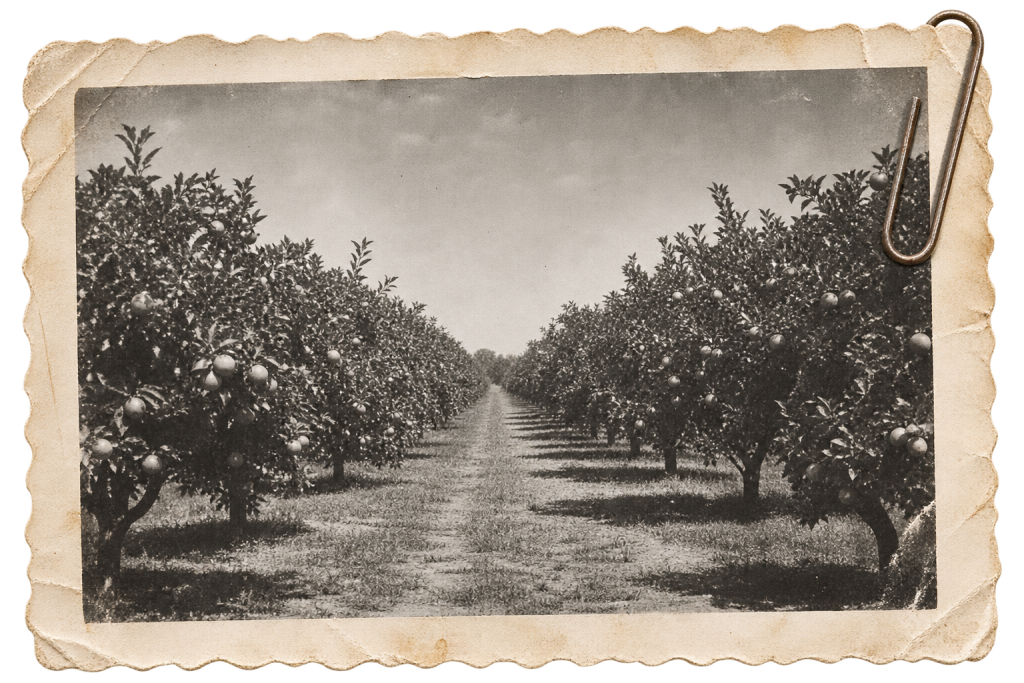
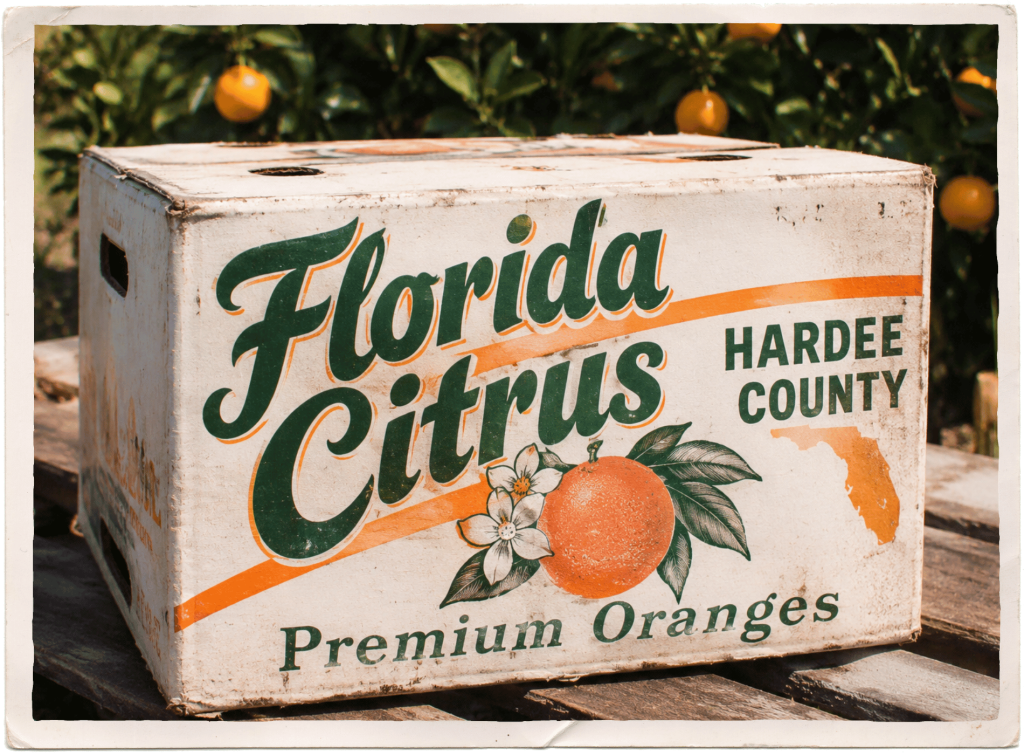
Citrus labels and snapshots from the peak years in Florida’s groves, including right here in Hardee County.
Florida’s citrus industry by the numbers
A century of citrus,
a steep decline
244 Million Boxes
Florida oranges produced at the industry’s peak in 1997–98.
12.2 Million Boxes
Florida oranges produced in the 2024–25 season, approximately 95% below the 1997–98 peak.
2005
Year citrus greening disease was first detected in Florida.
50% Decline
Florida’s citrus-bearing acreage fell from approximately 679,000 acres in 2003–04 to 340,200 acres in 2021–22.
Why this matters
Florida has lost millions of fruit-producing citrus trees as disease, hurricanes, and economic pressures have forced growers to remove groves or stop farming.
Citrus greening disease, first detected in Florida in 2005, damages trees, reduces fruit production, and can eventually kill infected trees.
What is behind the decline
Citrus greening (HLB)
A bacterial disease with no cure. It starves trees, causes small, bitter, misshapen fruit, and eventually kills them.
The Asian citrus psyllid
A tiny insect that spreads the greening bacteria from tree to tree, which makes the disease hard to contain across whole regions.
Hurricanes and canker
Four hurricanes in 2004–05 and more storms since, along with citrus canker, damaged groves already under stress.
Rising costs
Keeping infected trees productive costs more every year, so many growers have cut back or removed trees altogether.
How it works in Hardee County
From citrus trees to healthier soil
The Florida Biochar Project is giving removed citrus trees a new purpose.
Using specialized equipment, woody biomass from former citrus groves is converted into biochar and applied back to agricultural land. This creates an opportunity to improve Florida’s sandy soils, help retain water and nutrients, and store carbon for generations.
Step 1
Removed Citrus Trees
Declining trees are taken out of local groves.
Step 2
Biomass Processing
Trunks and limbs are collected and processed with specialized equipment.
Step 3
Biochar Production
Heat with very little oxygen turns the wood into stable carbon.
Step 4
Soil Application
Biochar is applied back to agricultural land.
Step 5
Healthier Soil
Soil holds more water and nutrients, and carbon stays in the ground.
Florida's citrus industry has helped feed families and support communities for generations. As the industry faces unprecedented challenges, The Florida Biochar Project is finding new value in the trees left behind, turning agricultural waste into a resource that can help improve the land for future generations.
Why biochar matters
Better soil. Less waste.
Healthier farms.
See the sponge effect
Florida's sandy soils drain quickly.
Biochar acts like a sponge, helping soil retain moisture longer and potentially reducing the need for frequent irrigation.
Sandy soilSandy soil + biochar
Illustrative diagram, not measured data.
Sandy soil + biocharHolds more waterSandy soilWater drains away
Improves soil health
Biochar can improve soil structure, helping plants access the water and nutrients they need to grow.
Helps soil hold more water
Florida’s sandy soils drain quickly. Biochar acts like a sponge, helping soil retain moisture longer and potentially reducing the need for frequent irrigation.
Keeps nutrients in the soil
Biochar can help prevent important nutrients from washing away, keeping more of them available for plants and potentially reducing fertilizer losses.
Stores carbon in the ground
Biochar locks carbon into a stable form that can remain in the soil for hundreds of years or longer, helping keep carbon out of the atmosphere.
Additional highlight
Turns waste into something useful
Florida generates agricultural and woody waste from farming, tree removal, and land management. Biochar creates a valuable use for some of these materials instead of letting them go to waste.
Photo & video gallery
See The Florida Biochar Project in action
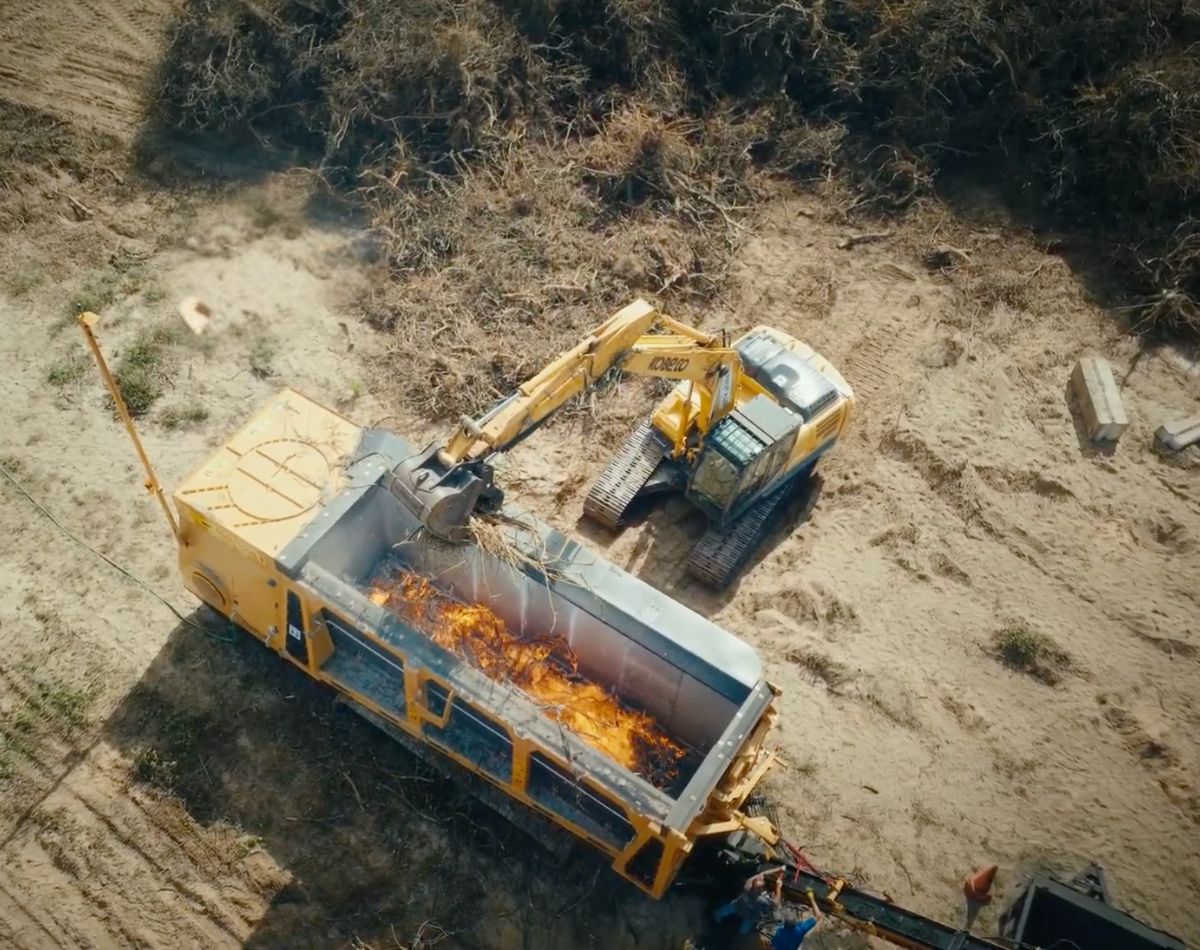
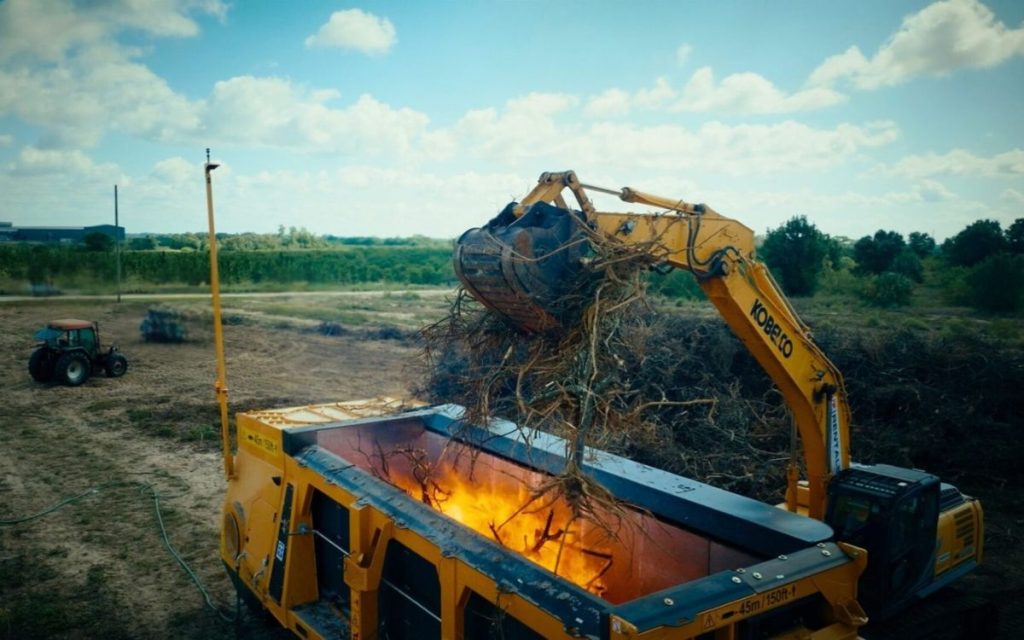
Tigercat in the field
Tigercat machinery operating and processing agricultural biomass.
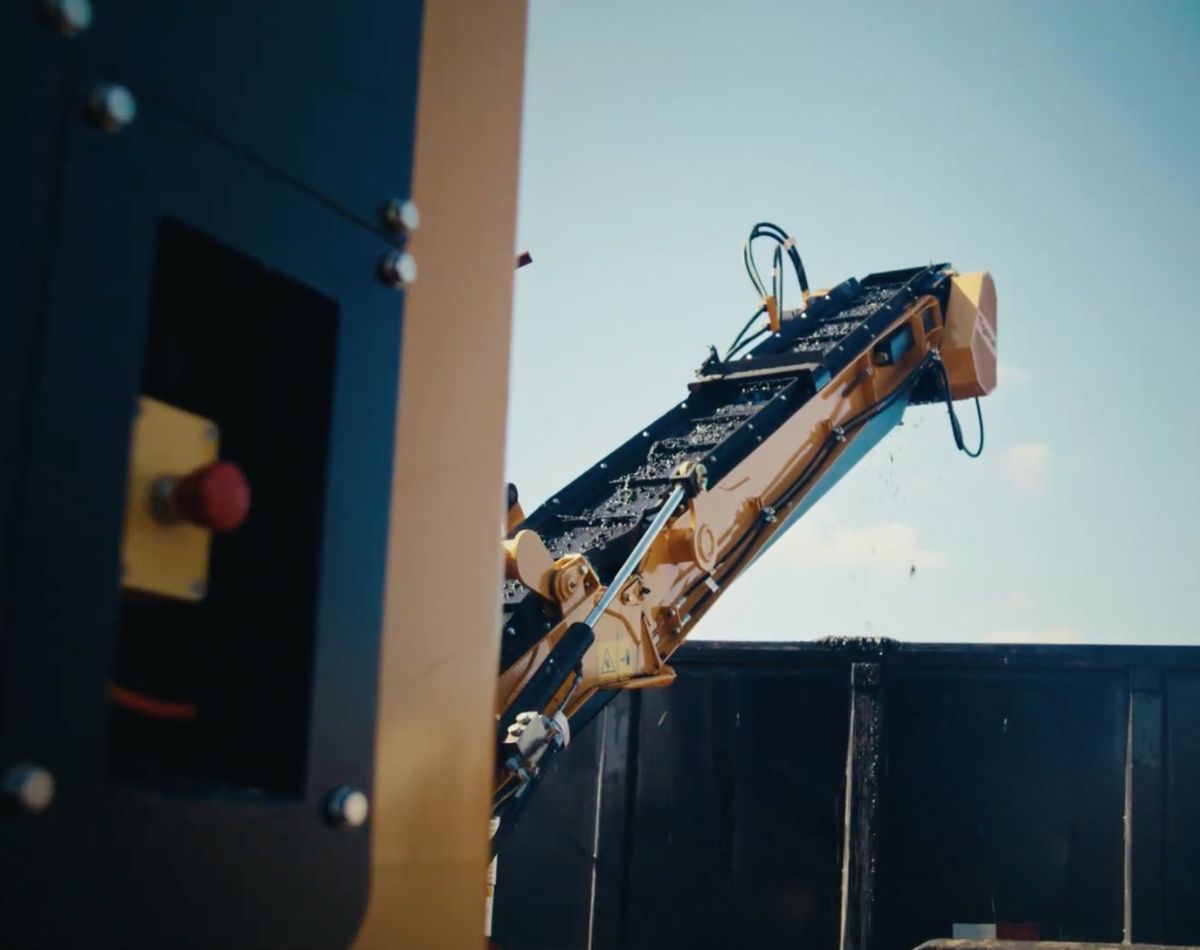
Biochar production
Biochar production equipment and operations.
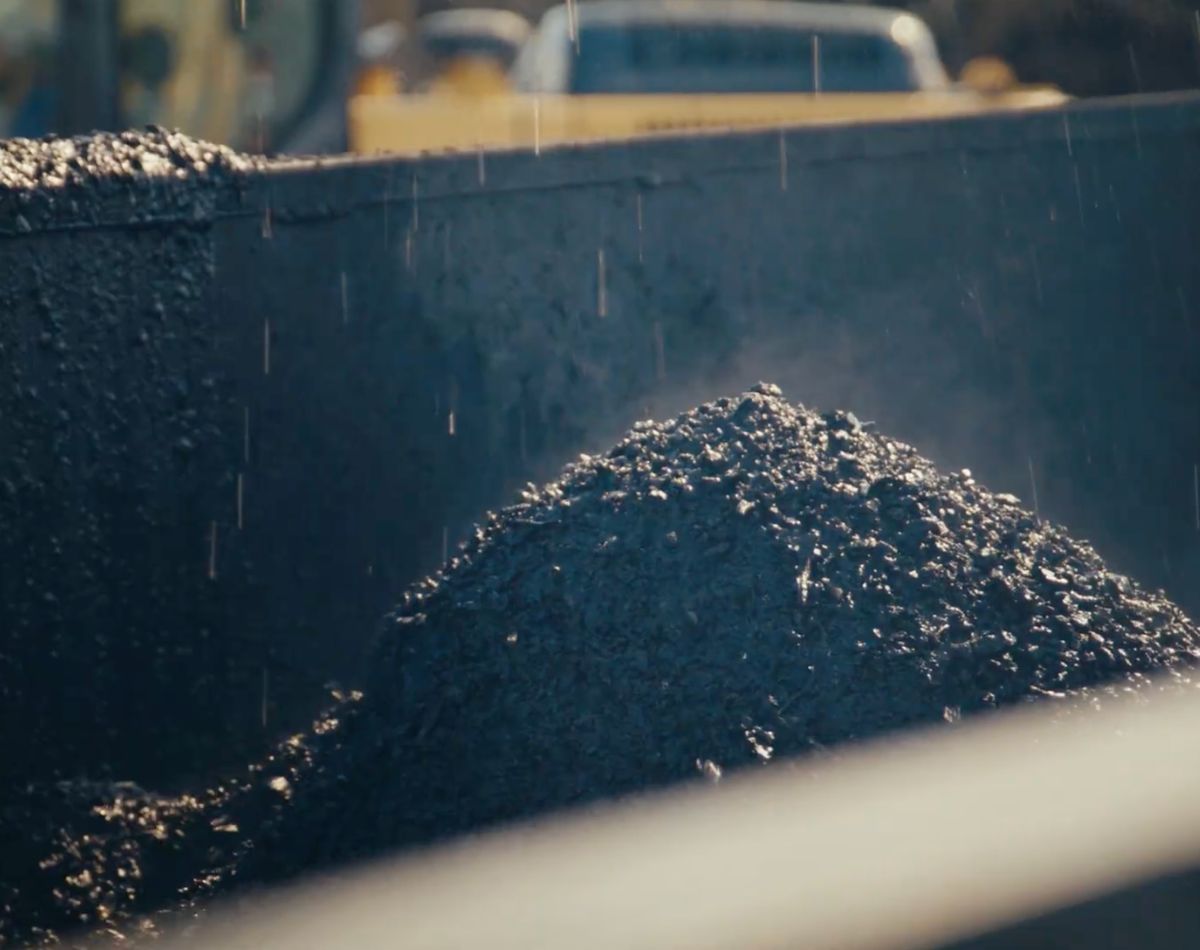
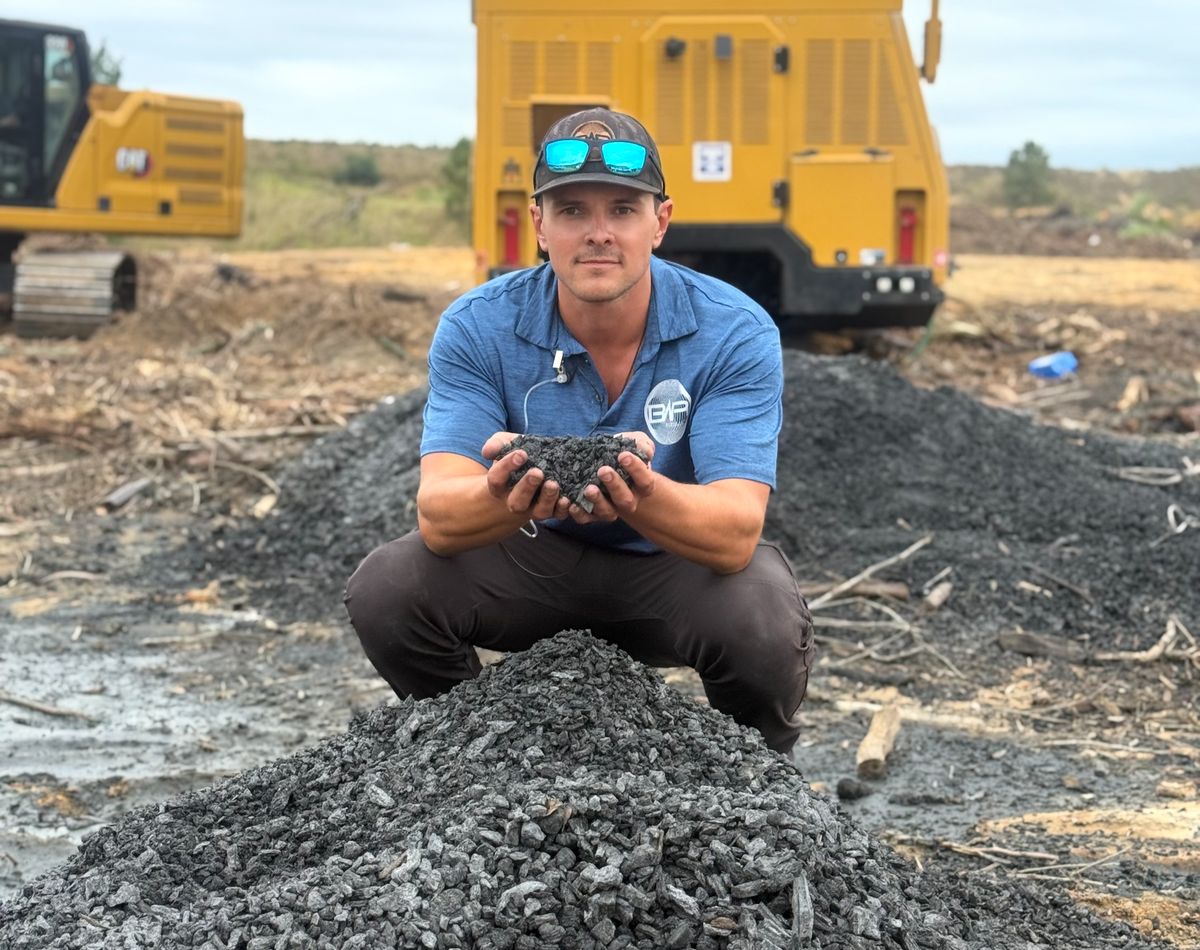
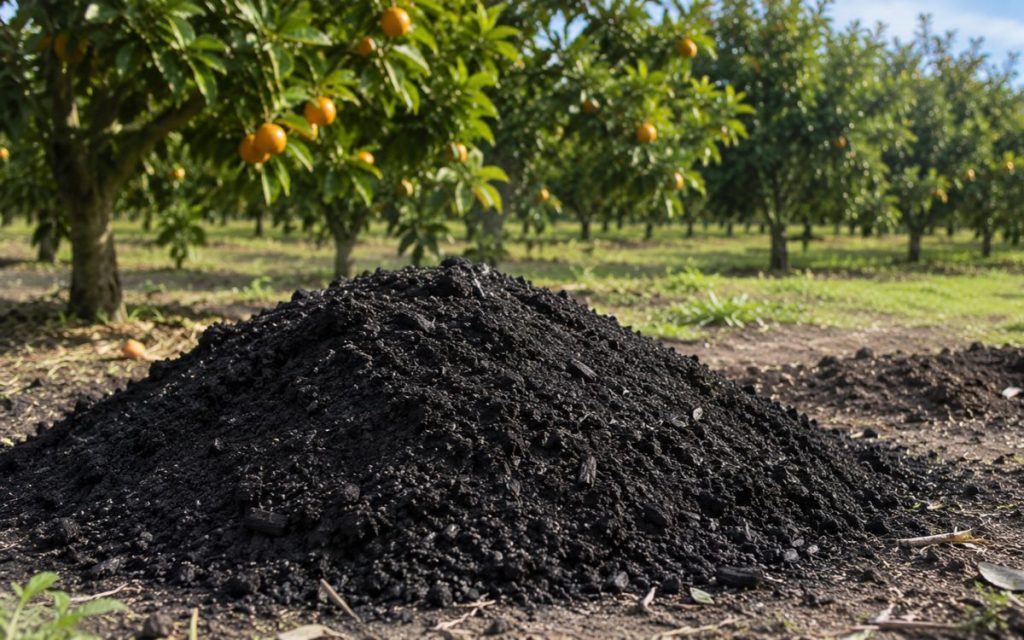
Finished biochar
Close-up photograph of finished biochar.
Back to the soil
Biochar being applied to agricultural soils.
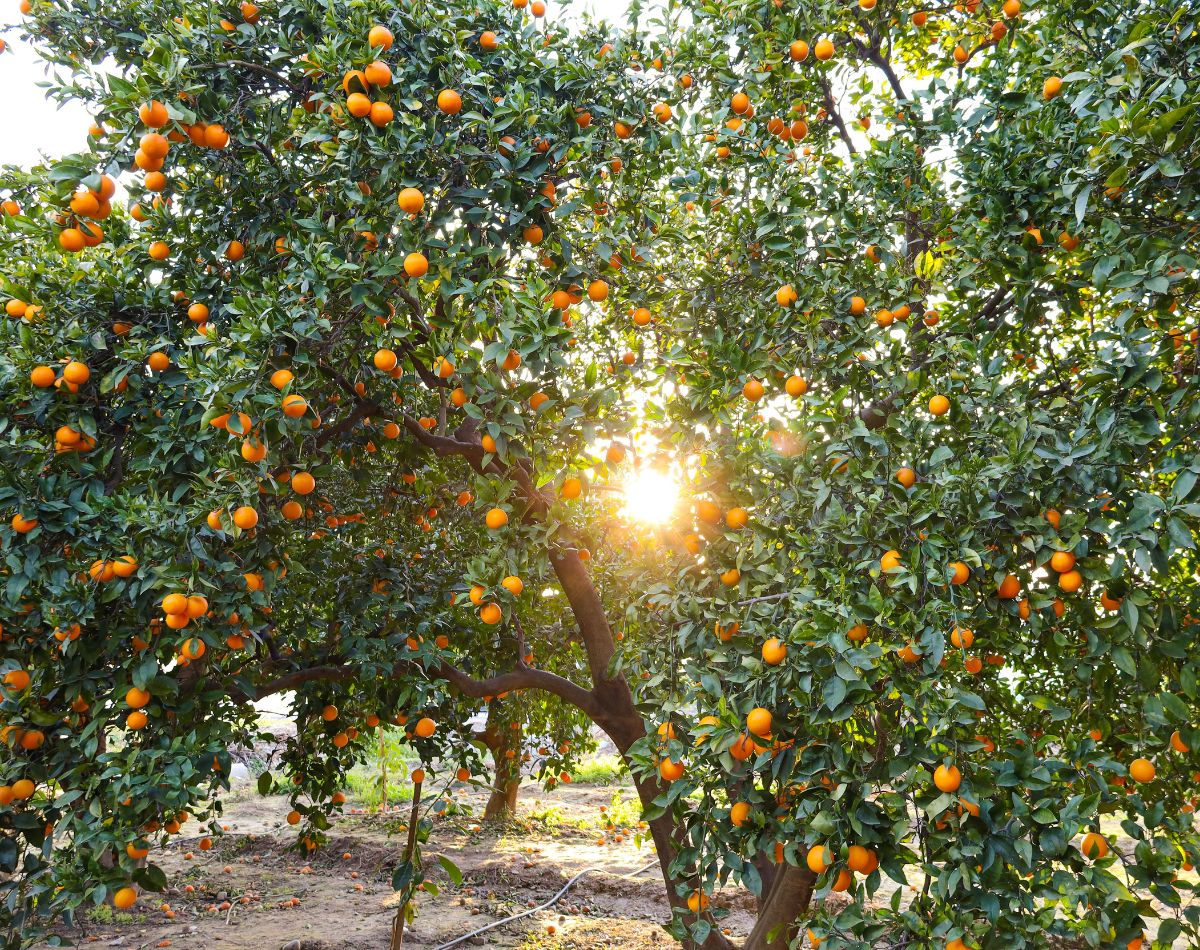
Groves and fields
Florida citrus groves and agricultural fields.
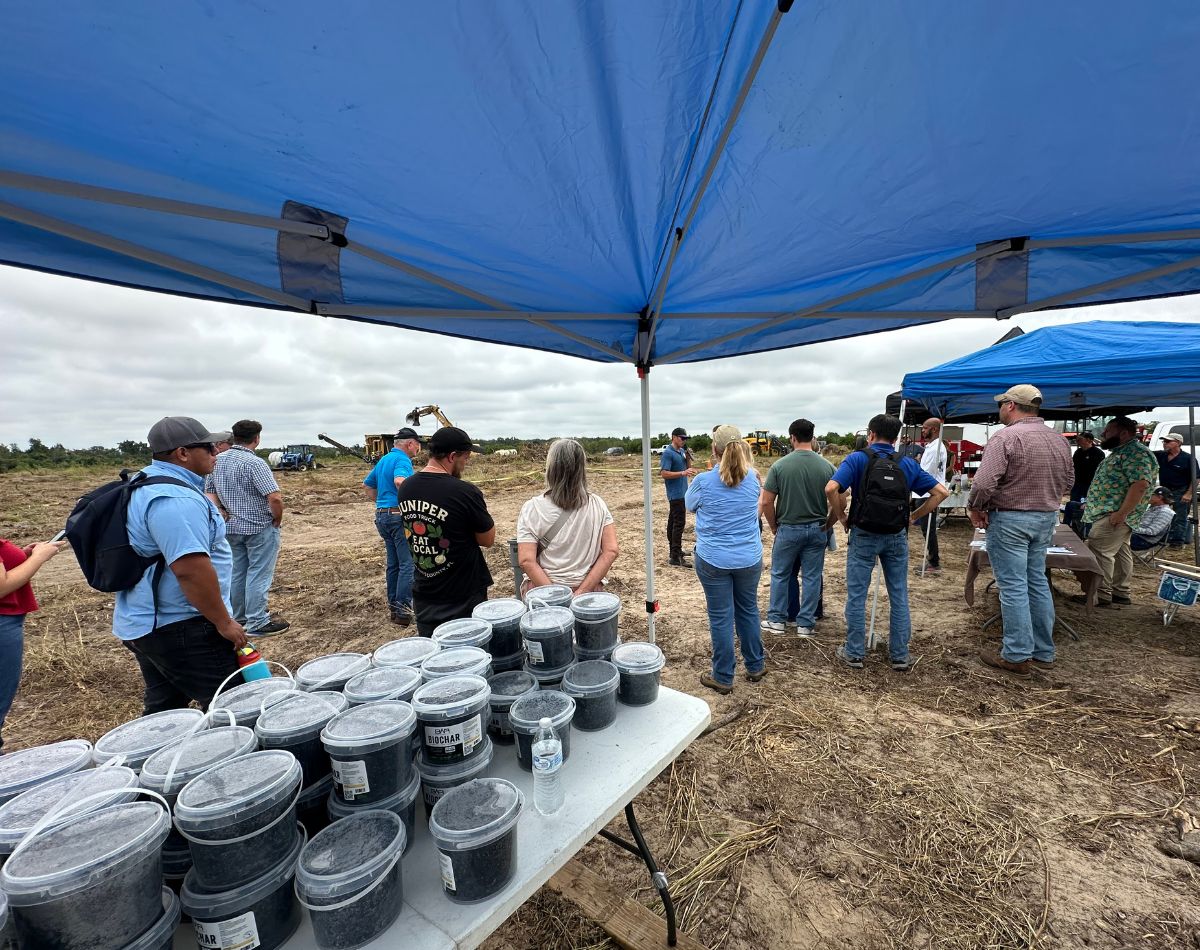
Research and demos
Soil testing, research, and field demonstrations.
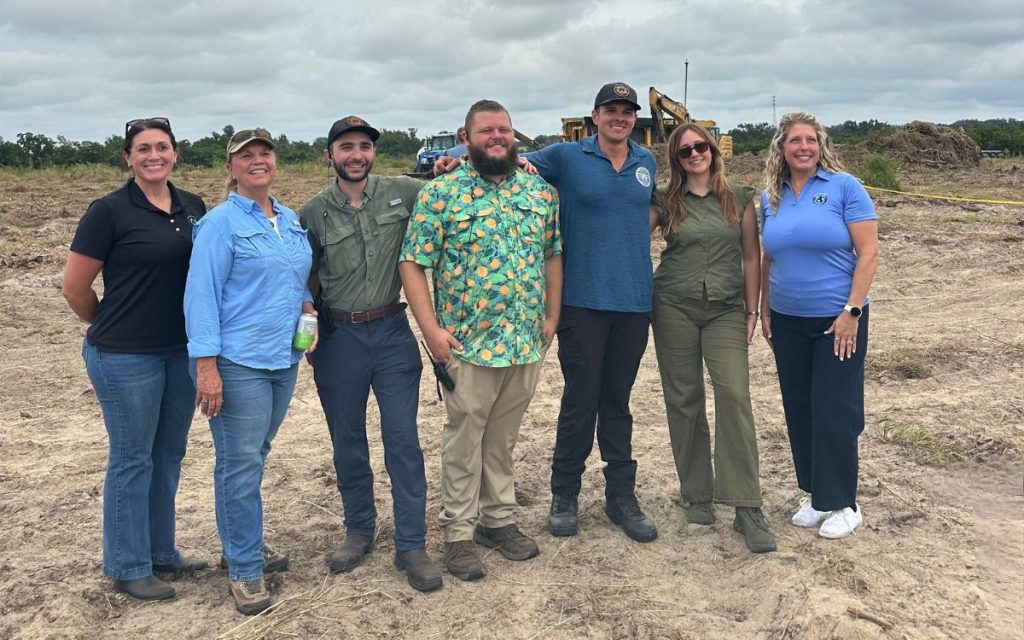
People and partners
Project staff, partners, and educational events.
Take our biochar course
Discover what biochar can do!
Curious about biochar? Learn how agricultural waste can be transformed into a powerful soil amendment that helps improve soil health, hold more water, and store carbon.
Our educational course will introduce you to the science behind biochar, how it’s made, and how it can be used in gardens, farms, and landscapes.
IDEAS For Us focuses on Energy, Water, Food, Waste, and Ecology. The Florida Biochar Project touches all five.
EnergyWaterFoodWasteEcology
Energy
Using the Tigercat machine to process organic waste into biochar may reduce fuel consumption compared to traditional wood chipping, transportation, and disposal methods.
Water
Biochar improves soil water retention, reduces nutrient runoff, and can help clean waterways by filtering certain pollutants and toxins when deployed in removable biochar filtration bags.
Food
Supports regenerative agriculture by improving soil structure, nutrient retention, and growing conditions for crops, including citrus groves and vegetable gardens.
Waste
Repurposes agricultural residues, storm debris, and other suitable organic materials into valuable biochar rather than sending them to disposal facilities.
Ecology
Supports soil biodiversity, long-term carbon storage, and healthier ecosystems through improved soil management and ecological restoration.
Support the project
Help turn Florida's agricultural waste into healthier soil
Your gift helps IDEAS For Us grow The Florida Biochar Project and put more removed citrus trees back to work for Florida farms.
IDEAS For Us is a 501(c)(3) environmental nonprofit organization with a mission to develop, fund, and scale solutions to environmental challenges.
Our work focuses on five key areas: Energy, Water, Food, Waste, and Ecology.
Through The Florida Biochar Project, we’re working to turn agricultural biomass into a valuable resource that improves soil health, helps Florida farmers, and stores carbon in the ground.
The Florida Biochar Project is funded through a Florida Department of Agriculture and Consumer Services (FDACS) state appropriation.